- Exceptional gameplay and combat mechanics
- Outstanding boss rush design experience
- Phenomenal soundtrack enhances immersion
- Stunning visual and art design
- Unskippable cutscenes disrupt gameplay flow
- Boss fights feel unbalanced and frustrating
Emotions
What players like:
Common complaints:
Gameplay feedback:
Performance notes:
Recommendations:
Other player notes:
Similar games
Blend with other games






Review evidence
Why players say this
Review evidence
Why players say this
What players like
Exceptional gameplay and combat: The game is praised for its engaging, fluid, and rewarding gameplay, with a strong emphasis on combat that is easy to learn but hard to master. Players highlight the satisfying hack-and-slash and bullet hell mechanics, tight controls, and high replayability.
Outstanding boss rush design: The game excels as a boss rush experience, with each boss featuring unique mechanics, visuals, animations, and music. Players appreciate the variety, challenge, and fairness of the boss fights, making it one of the best in the genre.
Phenomenal soundtrack: The soundtrack is a standout feature, frequently described as one of the best in gaming. It enhances the gameplay experience with dynamic transitions, synthwave/electro tracks, and emotional depth, making it a major draw for players.
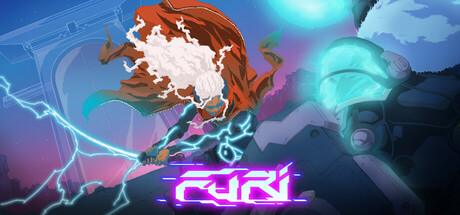
Stunning visual and art design: The game features a unique and stylish visual aesthetic, with creative character designs, vibrant environments, and excellent art direction. The visuals are frequently praised as a standout aspect of the experience.
Engaging and intriguing story: Despite its minimalist approach, the game delivers a captivating and thought-provoking story with philosophical themes. Players enjoy the cryptic narrative, well-placed dialogues, and the way the story unfolds between fights.
Common complaints
Unskippable cutscenes disrupt flow: Players criticize the game for forcing long, unskippable cutscenes and walking segments between boss fights, which break pacing and feel tedious. These segments are often described as slow, poorly animated, and lacking purpose.
Boss fights feel unbalanced: Feedback highlights inconsistent difficulty in boss fights, with some feeling artificially hard due to excessive health, invincibility phases, or unfair attack patterns. Others are criticized for lacking intensity or being overly scripted.
Gameplay lacks variety and depth: The game is criticized for being overly repetitive, with a heavy focus on boss rushes and minimal additional gameplay. Players describe the experience as boring, underwhelming, and lacking replayability.
Bullet hell mechanics frustrate players: The bullet hell segments, particularly in later bosses, are widely disliked for being tedious, poorly designed, or incompatible with the game’s melee-focused combat. Players also report difficulty with keyboard controls during these sections.
Controls feel unintuitive and sluggish: Players report issues with unresponsive controls, awkward dash mechanics (e.g., button-release activation), and poor hitbox implementation. Controller presets are also criticized for lacking customization options.
Gameplay and performance
Bullet hell integration: Boss fights incorporate bullet-hell elements (e.g., dense projectiles, pattern memorization) alongside melee combat, adding layers of reflex-based challenge. Some phases or bosses emphasize this mechanic exclusively.
Phase-based boss design: Bosses feature multiple distinct phases with varied playstyles (e.g., ranged/melee, top-down/side-view), requiring players to adapt strategies mid-fight. Perfect completion often demands mastering all phases.
Parry/dodge combat system: Core mechanics revolve around precise parrying (with visual/audio cues) and dodging, often tied to health recovery or counterattacks. The system blends melee and ranged combat with charged attacks and dashes.
1v1 boss arenas: All combat occurs in personalized arenas designed for one-on-one duels, eliminating distractions like minions or loot. Each boss has a unique stage with tailored mechanics.
Adjustable difficulty modes: Multiple difficulty tiers (e.g., Easy, Normal, Furi/Furier+) cater to different skill levels, with harder modes introducing new attacks or mechanics. Speedrunning is supported via dedicated modes.
Mixed optimization feedback: While the game runs well on low-end hardware and modest/high-end systems (e.g., 110 FPS on a 1060 laptop, smooth on Steam Deck), optimization issues persist in specific scenarios, such as the last level or melee combat.
Hardware compatibility issues: The game crashes on certain systems (e.g., Intel i5 2520m) and has controller compatibility problems on PC (e.g., PS4 controllers). Some players also experience slight input delay, possibly due to hardware limitations.
Limited frame rate controls: The game locks FPS at 120 with no frame limiter settings, which can cause issues on systems unable to maintain this cap. V-sync is available but does not address all performance concerns.
Missing autosave feature: The lack of autosave in speedrun mode is a notable oversight, risking progress loss during critical gameplay moments. This affects players who rely on quick saves or frequent checkpoints.
Recommendations
Highly challenging gameplay appeal: The game is strongly recommended for players who enjoy difficult, skill-based challenges, particularly those who appreciate boss fights and learning from mistakes. It is not suited for players who dislike frustration or lack patience.
Short but impactful experience: The game is recognized for delivering a concise yet memorable experience, often described as a great evening or short-term playthrough. Its brevity is seen as a strength for its design.
Best value on sale: While the game is praised for its quality, many reviewers suggest purchasing it during a sale due to frequent discounts. Some argue it is worth full price, but the consensus leans toward waiting for a deal.
Target audience for combat style: The game is ideal for fans of parry-based, reaction-heavy, and combat-focused games, including genres like Souls-like, bullet hell, and hack-and-slash. Comparisons to titles like *Sekiro*, *Devil May Cry*, and *Metal Gear Rising* are frequent.
Minimal story investment: The story is considered secondary to the gameplay, with some players suggesting it is worth experiencing once but not a major draw. Others recommend skipping it entirely to focus on combat.
Other review notes
Notable creative collaborations: The involvement of high-profile figures like Hideo Kojima and Takashi Okazaki (Afro Samurai) is frequently mentioned, underscoring the game's unique creative pedigree and cross-cultural influences.
Influential indie game artistry: The game is widely regarded as a creative milestone, shaping the direction of indie games and often described as a work of art. Its aesthetic and narrative choices resonate deeply with players.
Game remains timeless after decade: Players frequently note the game's enduring appeal, highlighting its strong design and impact despite being nearly a decade old. This reflects its lasting influence in the indie gaming space.
Flexible control options: Players appreciate the game's support for both controllers and mouse/keyboard, catering to different playstyles and preferences.
French development team: The game's origins with French developers are noted, along with their upcoming project 'Cairn,' reflecting interest in the studio's creative output and future endeavors.