- Extensive progression and upgrade systems.
- Engaging incremental and idle gameplay mechanics.
- High variety, replayability, and long playtime.
- Highly addictive and superior to similar games.
- Inconsistent building and weapon positions issues.
- Save file issues and repetitive sound effects.
Emotions
Archetypes
What players like:
Common complaints:
Gameplay feedback:
Performance notes:
Recommendations:
Other player notes:
- -
No data available
Similar games
Blend with other games




Review evidence
Why players say this
Review evidence
Why players say this
What players like
Extensive progression system: The game features a lot of progression, with varied runs, different playstyles, and a satisfying prestige system.
Engaging and high-quality incremental gameplay: The game is praised for its engaging and high-quality incremental gameplay, making it enjoyable and relaxing for players.
Superior to similar games: Players feel this game is a better version of similar games like Gnorp, offering a more satisfying experience.
Always something to do: The game offers a mix of active and idle gameplay, ensuring there is always something to do and keeping players engaged.
Variety and replayability: The game offers varied runs and different playstyles, providing replayability and depth through diverse factions, events, and artifacts.
Common complaints
Dwarves inefficient near maw: Dwarves near the maw do not deposit items immediately and instead carry them further, which worsens the situation. Additionally, maw upgrades do not allow dwarves to deposit items from a greater distance, making the upgrades feel pointless.
Inconsistent building and weapon positions: The positions for buildings and weapons are not unified, causing difficulty in swapping between them. This inconsistency can lead to confusion and inefficiency in gameplay.
Save file issues: Save files from the demo version of the game do not carry over to the full game, forcing players to restart their progress from scratch, which can be frustrating.
Repetitive sound effects: The repetitive use of the Wilhelm scream sound effect detracts from the immersion and overall gaming experience, making it less enjoyable for players.
Prestiging feels tedious: The process of prestiging in the game feels like a chore, which can be frustrating for players and detracts from the overall enjoyment of the game.
Gameplay and performance
Incremental and idle gameplay: The game features incremental and semi-idle gameplay mechanics, allowing players to progress even when not actively playing.
Upgrade and progression systems: The game offers various upgrade systems, including progression for dwarves, artillery, and other mechanics that enhance gameplay depth.
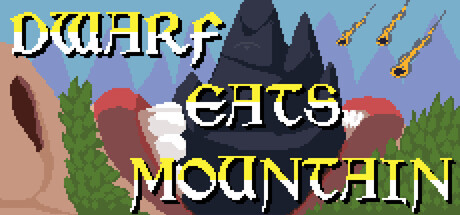
Mountain breaking mechanics: A core part of the gameplay involves breaking mountains and extracting ore, with dwarves chipping away at mountains as a central activity.
Prestiging and diverse mechanics: Players can utilize prestiging mechanics and explore different playstyles, adding variety and replayability to the game.
Artifacts and factions: The game includes a variety of artifacts and diverse factions, contributing to the richness and complexity of the gameplay.
Smooth performance: Players have reported that the game runs smoothly with good performance.
Recommendations
Highly Recommended Game: Many players express strong recommendations for the game, indicating high satisfaction and enjoyment.
Potential Classic Incremental Game: The game is perceived to have the potential to become a classic within the incremental game genre, suggesting it has standout qualities.
Buying context
Game completion: 60.0h.
Session length: 10.0h.
The game offers innovative and flexible gameplay with a satisfying progression system, making it quickly engaging and fun.
Reported time to anchor: 30m.
Friction: Initial learning curve of the game mechanics.
Unlock drivers: Upgrade progression; Prestige tiers; Creative Dwarf types.
Player profiles
Incremental Enthusiast: Enjoys deep, engaging incremental mechanics and compares new games to established favorites. Motivation: Engaging incremental gameplay. Stance: buy.
Critical Comparator: Compares games critically and looks for improvements over existing titles. Motivation: Finding games that offer a better experience than others in the genre. Stance: sale.