- Addictive gameplay and fighter progression.
- Charming retro aesthetic.
- Captivating and engaging story.
- Repetitive grind due to stat decay.
- Unengaging, RNG-heavy combat system.
- Game-breaking bugs and glitches.
What players like:
Common complaints:
Gameplay feedback:
Performance notes:
Recommendations:
Other player notes:
Similar games
Blend with other games





Review evidence
Why players say this
Review evidence
Why players say this
What players like
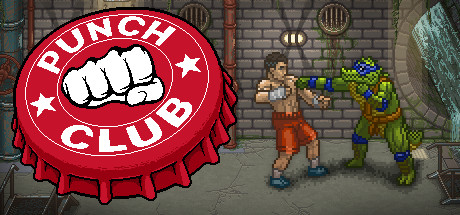
Addictive gameplay and progression: The game is praised for its engaging and addictive gameplay loop, combining training, time management, and strategic combat. Players enjoy building their character, mastering skills, and progressing through the story. Many reviewers found the game enjoyable and well-made.
Charming retro aesthetic: The game's pixel art style, retro graphics, and fitting music create a charming and nostalgic atmosphere. Reviewers appreciate the visuals and audio, which enhance the overall experience and evoke memories of classic games.
Captivating and engaging story: Many reviewers found the game's story to be engaging, interesting, and well-written. The narrative captivates players from beginning to end, with some describing it as deep and immersive.
Humorous pop culture references: The game is filled with references to pop culture, especially 80s and 90s movies, games, and TV shows. This adds humor and nostalgia, making the game enjoyable for those who appreciate these references.
Meaningful choices and replayability: The game offers multiple endings and choices that impact the story, encouraging players to replay it and explore different paths. This adds depth and replayability to the game.
Common complaints
Repetitive grind due to stat decay: The core gameplay loop becomes repetitive and tedious due to constant stat decay, requiring excessive grinding to maintain progress. This stat decay negates training efforts, leading to frustration and a feeling of wasted time, especially in the mid to late game. Many reviewers felt this mechanic artificially inflated playtime and made the game feel like a chore.
Unengaging, RNG-heavy combat system: The game's combat system is primarily simulation-based with limited player interaction, relying heavily on RNG. This lack of direct control and strategic depth makes fights feel unengaging and can lead to frustrating losses, even with superior stats. The pacing between fights can also be inconsistent, with long waits disrupting the narrative flow.
Game-breaking bugs and glitches: Numerous reviewers reported encountering game-breaking bugs and glitches that disrupt progress, corrupt save files, and sometimes require restarting the game. These bugs have persisted for years without fixes, indicating a lack of developer support. This significantly detracts from the overall player experience.
Unfair mechanics hinder progress: The game features unfair mechanics, such as frequent muggings that steal a significant portion of the player's money. This hinders progress and creates frustration, especially early in the game when resources are scarce. The lack of countermeasures against these random events adds to the feeling of unfairness.
Inconsistent and unbalanced difficulty: The game's difficulty is inconsistent, with uneven spikes and situations where players can lose even with superior stats. This can lead to frustration and a feeling of unfairness, as success seems to rely more on luck than skill or strategy. The initial difficulty can also be overwhelming, making it hard to get into the game.
Gameplay and performance
Fighter life management and progression: The core gameplay loop revolves around managing a fighter's daily life, balancing training, working, eating, and resting to improve stats and progress in their career. Players must strategically allocate time and resources to succeed in fights and advance the story, often involving a revenge plot or championship pursuit.
Grindy, repetitive time management: The game involves a significant amount of grinding and repetitive tasks to improve character stats and progress. Time management is crucial, as players balance training, working, and other activities to optimize their fighter's development.
Meaningful choices, multiple endings: Player choices impact the story's direction, offering multiple endings and paths to follow. The game emphasizes thoughtful decision-making and micromanagement, with players indirectly controlling the character's actions and managing timers and resource flows.
Specialized stat-based fighting styles: Character development focuses on three main stats: strength, agility, and stamina, each influencing fighting style and skill tree progression. Initial skill assignments can impact early game strategy, and players often specialize in one path, leading to diverse fighting styles.
Triggered quests and missions: The game features various quests and missions triggered by specific actions or dialogues, often involving unique characters and locations. These missions add depth to the gameplay and offer opportunities for rewards and progression.
Inconsistent performance for 8-bit style: Some players report performance issues despite the game's simple 8-bit graphics, with slow character movement and frame rate drops. Others note that the graphics, while charming to some, are not as polished as other 8-bit games. This discrepancy between visual style and performance is a point of concern.
Generally well-optimized, runs on low-end: Many reviewers praise the game's optimization, noting that it runs smoothly on a wide range of hardware, including low-end PCs and mobile devices. This accessibility is a significant advantage, allowing more players to enjoy the game. However, some players are still experiencing performance issues.
Text overlap in Chinese version: The pixel art style causes text overlap in the Chinese version due to the larger size of Chinese characters. This is a localization issue that affects players using the Chinese language setting.
Soundtrack complements game's atmosphere: The game's soundtrack is well-received, with reviewers noting that its retro beats complement the game's atmosphere and are inspired by classic games. This contributes positively to the overall player experience.
Good for casual windowed play: One reviewer suggests that the game is suitable for playing in windowed mode when you can't focus on a full 3A game. This is a niche point that may be relevant to some players.
Recommendations
Generally enjoyable, recommended on sale: The game receives generally positive recommendations, with many reviewers finding it enjoyable and worthwhile, especially for fans of management sims, retro aesthetics, and boxing themes. Some suggest it's best experienced on sale. There is a consensus that the game offers a unique blend of strategy, humor, and nostalgia.
Good for casual, nostalgic play: The game is often recommended for players seeking a casual, nostalgic experience, particularly those who enjoy 80s/90s references and management-style gameplay. Reviewers suggest it's suitable for short bursts or relaxed gaming sessions. However, it may not appeal to those seeking deep action or complex gameplay.
Simple, lightweight, casual game: The game is considered a simple and lightweight experience, suitable for casual play or when multitasking. It's often recommended for players with low-spec computers. This suggests that the game is not particularly demanding or complex.
Game didn't meet expectations: Some reviewers express disappointment, feeling that the game didn't live up to its potential or their expectations. They may have hoped for more depth or innovation. This suggests that the game may not fully deliver on its initial promise.
Mixed opinions on sequel: Some reviewers express a preference for the first game in the series over the second, while others find the sequel to be an improvement. This indicates mixed opinions on the relative quality of the games. It's important to note that this point is based on subjective preferences.
Other review notes
Retro 16-bit visual style: The game features a retro visual style reminiscent of 16-bit graphics and a soundtrack inspired by the Sega Genesis/Mega Drive era. This aesthetic choice contributes to the game's overall nostalgic feel, evoking the look and sound of classic games from the 90s.
In Love status with Adrian: The player can get the In Love status by giving gifts to Adrian twice or by completing Adrian's flower or pizza delivery missions.
Single-player experience, no microtransactions: The game is designed as a single-player experience without any multiplayer modes or microtransactions. Players gain access to all game content upon purchase, focusing the gameplay on a solitary journey through the story and challenges.
Supports multiple languages: The game offers support for multiple languages, including Japanese and a planned Portuguese option. This localization effort aims to make the game accessible to a wider audience across different regions.
Moddable with Steam Workshop support: The game supports modding and Steam Workshop, allowing players to create and share custom content. This feature enhances the game's replayability and allows the community to expand upon the original experience.