- Exceptional remake and series evolution.
- Vast, rewarding exploration.
- Authentic classic CRPG experience.
- High-quality writing and lore.
- Clunky UI and controls.
- Significant language barrier.
Emotions
What players like:
Common complaints:
Gameplay feedback:
Performance notes:
Recommendations:
Other player notes:
Similar games
Blend with other games 86%Avernum: Escape From the Pit
 86%Caves of Lore
 85%Archaelund
 84%Grimoire : Heralds of the Winged Exemplar (V2)
 83%Baldur's Gate II: Enhanced Edition
 82%Zorbus
 82%Black Geyser: Couriers of Darkness
 82%Wasteland Remastered
 82%Wizardry: Proving Grounds of the Mad Overlord
 82%The Elder Scrolls: Arena
 82%Guild Saga: Vanished Worlds
 82%Banquet for Fools
Review evidence
Why players say this
Review evidence
Why players say this
What players like
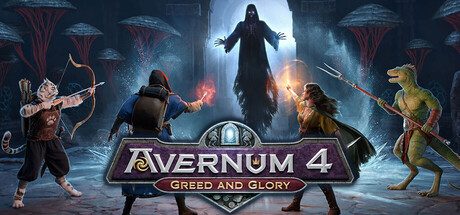
Exceptional Remake & Series Evolution: Reviewers laud the game as an outstanding remake, significantly improving upon the original with a substantial graphics overhaul, new content (areas, bosses, NPCs), and a superior, seamless interface. It's considered the finest iteration in the Avernum series, refreshing for returning fans, and a strong starting point for newcomers, despite some finding the updated graphics style to still be simple.
Vast & Rewarding Exploration: Players praise the game's extensive and detailed world, filled with hidden locations, secrets, and a seamless open map. The sheer volume of content, including side quests and optional areas, encourages methodical exploration and offers many hours of gameplay.
Authentic Classic CRPG Experience: The game is celebrated for its faithful adherence to old-school isometric CRPG design, offering a pure, story-driven, and tactical turn-based combat experience. It successfully blends retro sensibilities with modern quality-of-life enhancements.
Engaging & Adaptable Gameplay: Gameplay is described as smooth, intuitive, and engaging, offering depth in character builds and meaningful customization options. The inclusion of varied difficulty settings ensures a challenging yet enjoyable experience for all players, while combat can be surprisingly fast-paced.
High-Quality Writing & Lore: The game features superb writing, dialogue, and lore, enriched with humor and nuanced characters. This strong narrative craftsmanship creates an immersive and lively world, making the extensive reading enjoyable and adding significant depth.
Common complaints
Clunky UI and controls: Players find the user interface and controls outdated and clunky, leading to frustrating experiences with basic interactions like menu navigation, input customization, and general usability. This includes issues with keyboard targeting, mouse interaction, and a general lack of quality-of-life features.
Significant language barrier: The game presents a substantial amount of English text and dense lore, making it challenging for non-English speakers to engage with the narrative and understand concepts. The lack of translations, particularly French, and the absence of voice acting further hinder accessibility and comprehension for a significant portion of players.
Inadequate map features: Players express dissatisfaction with the current map system, missing a traditional overworld map and finding the in-game map barebones. Specific complaints include the map only filling when hovered over, the lack of annotated markers, and the absence of a zoomed-out overview, which negatively impacts navigation and quest tracking.
Opaque game mechanics: The game suffers from a lack of transparency regarding its core mechanics, making it difficult for players to understand how stats and traits contribute to their build. Explanations are often incomplete, and derived stats are not explicitly stated, leading to frustration when trying to optimize characters or understand damage output and difficulty balancing.
Poor visual scaling: The game's graphics are considered outdated by some, and the UI scaling options exacerbate this issue by making text and game elements blurry or 'mushy.' This impacts readability and overall visual quality, especially for players trying to adjust display size, and the graphics themselves are seen as basic.
Gameplay and performance
Deep Tactical Combat: Combat is fully turn-based and highly tactical, combining physical attacks with diverse priest and mage spells. Players must strategically use buffs/debuffs, bottleneck enemies, scout enemy defenses (R-click), stack resistances, and adapt to challenging encounters, as some bosses change resistances. Speed affects turn order.
Flexible Character Building: Players create and customize a party of adventurers, where race choices offer distinct advantages beyond appearance. 'Classes' are more like initial skill packages, allowing for highly flexible builds (e.g., archers with lockpicking). Strategic party composition and skill allocation are key, with options for diverse roles.
Key Gameplay Mechanics & QoL: The game maintains an older UI but is functional on modern systems. Important tips include frequent saving, stealing everything not nailed down, not sparing consumables, and utilizing keyboard shortcuts. Players also have choices in interacting with the world, including non-combat options.
Diverse Spell & Skill Use: The game offers a wide array of priest and mage spells for both combat and utility, which are generally well-tuned and balanced. Spells must be purchased from NPC trainers, and strategic use of specific lore skills and powerful spells like acid is crucial. AOE spells are available but not early.
Excellent Steam Deck compatibility: Players confirm the game's Windows port runs perfectly on Steam Deck using Proton 9.0-4. This includes smooth performance with external monitors and peripherals, highlighting strong out-of-the-box compatibility.
Brief freezes during loads/saves: Players experienced momentary freezes or stutters during autosave events and when loading into new game areas. This suggests minor performance hitches related to asset loading or data saving operations.
Recommendations
Highly Recommended for Fans: Players who enjoy Spiderweb Software's previous titles, particularly the Avernum series, will find this game a strong recommendation. It maintains the expected quality and genre characteristics that fans appreciate.
Strong Classic RPG Appeal: This game strongly appeals to fans of old-school Western cRPGs, offering deep exploration, immersive world-building, and engaging tactical turn-based combat. It delivers the depth and mechanics genre enthusiasts seek.
Mixed Price Perception: A small subset of reviews included mentions of refunds or perceived high cost, such as 'only for fans with too much money.' This indicates a minor concern about value or pricing for a few players, though generally positive.
Substantial Content, Good Value: Players can expect over 50 hours of immersive gameplay, making it a substantial experience. Coupled with generally high ratings, it's seen as the definitive version, offering good value for its price.
English Language Prerequisite: A significant number of players recommend the game, but strongly emphasize that a good understanding of English is necessary. This points to a potential lack of localization for other languages.
Other review notes
Niche, text-heavy RPG experience: Players appreciate Spiderweb's unique approach, likening their games to interactive fantasy novels with deep tactical combat. This style caters to those who prioritize lore and gameplay over cutting-edge graphics or extensive character dialogue, appealing to a specific niche in the RPG genre.
Decades of fan loyalty: The series evokes strong nostalgia, with many players having followed the developer since its early days (e.g., Exile series, original Avernum 4). This long-standing connection highlights a dedicated fanbase that has appreciated the developer's consistent work over many years.
Engine hinders modernization efforts: There's a sentiment that the custom-built game engine might be limiting the series' potential for modernization, contrasting with outdated aspects of original games. Suggestions include considering open-source alternatives like Godot and leveraging AI for text translation, coupled with concerns that the remake might have been rushed.
Current game's price point: One player noted a significant difference in price compared to the original Avernum 4, which could influence value perception for long-time fans. This feedback is limited and may reflect a historical comparison rather than a direct complaint about the current price.