- Fun and addictive gameplay loop
- Excellent atmosphere and art style
- Satisfying strategic and complex mechanics
- Repetitive and lacks replayability
- Too similar to Balatro
- Scoring system is opaque and confusing
Emotions
Archetypes
What players like:
Common complaints:
Gameplay feedback:
Performance notes:
Recommendations:
Other player notes:
Similar games
Blend with other games


Review evidence
Why players say this
Review evidence
Why players say this
Steam review verdict
Fun, addictive strategic gameplay with gorgeous atmosphere and art, but it's repetitive, lacks replayability, feels too close to Balatro, and the scoring system is needlessly opaque.
What players like
Game is fun and addictive: Many players find the game highly enjoyable and addictive, with engaging gameplay that makes time pass quickly. The positive reception suggests strong overall appeal.
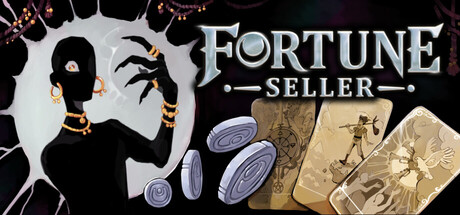
Excellent atmosphere and art style: The gothic and Lovecraftian aesthetic, along with the moody art, contributes strongly to the game's appeal. Players frequently mention the immersive and stylish presentation.
Satisfying strategic and complex mechanics: Players enjoy the deep strategy, clever mechanics, and satisfying card and item interactions. The game's complexity and thoughtful design are standout features.
High replayability and content depth: The game offers substantial replay value through numerous unlockables, challenges, and a roguelike structure. Players appreciate the variety and long-term engagement.
Easy to learn, hard to master: The game is accessible to newcomers but offers depth for experienced players, with increasing complexity as more items and cards are unlocked. This balance is frequently praised.
Common complaints
Repetitive and lacks replayability: Multiple players find the game repetitive, with runs feeling the same and offering little reason for multiple playthroughs. The gameplay loop becomes boring and fails to stay engaging over time, limiting long-term appeal.
Lacks strategic depth and deck-building: Players find deck-building confusing and lacking strategy, with items too similar in function and rare cards not beneficial. The game suffers from 'no strategy,' which is undesirable in a Rogue, and runs boil down to adding more stuff.
Scoring system is opaque and confusing: Players criticize the scoring mechanics as unclear, arcane, and poorly explained, with no score estimates or clear counting rules. This makes it difficult to judge if enough points will be made and contributes to frustration.
Unclear mechanics and interface issues: Interface and mechanic explanations are vague, such as the left card's use, tarot card explanations (especially in Japanese), and the link between positive/negative squares and inventory items. This leads to tedious mouse-over and confusion.
Lacks difficulty variety and challenge: Players report only one difficulty level with no variation, making the game too easy, especially after the first run. The hardest challenge is the initial playthrough, and endless mode does not provide a proper alternative.
Gameplay and performance
Balatro-inspired inventory roguelike: Multiple clusters highlight that the game combines Balatro-like scoring and deckbuilding with inventory management and roguelike elements. It is often described as an inventory puzzle game inspired by Balatro, with deckbuilding and roguelike mechanics.
Inventory management focus: Inventory management is a core mechanic, involving placing items on a grid, fitting various shapes into limited space, and optimizing item placement to maximize scores. The game is often described as an inventory management roguelite.
Tarot card mechanics: Tarot cards are central gameplay elements that affect item behavior, scoring, and provide positive or negative effects with limited slots. They are compared to jokers in Balatro, with upright and reversed effects.
Contract modifiers with costs: Contracts serve as modifiers that trade a permanent cost for an effect, adding strategic choice to runs. They can have positive or negative effects and are used alongside tarot cards.
Combos and synergy: The game encourages creating combos and synergies between items, cards, and effects to achieve high scores. Strategic placement and tool combination yield immense scores.
Performance issues across platforms: Players report severe performance problems, including maxing out graphics cards and heating issues on various systems. These issues persist on both Windows and Linux via Proton, indicating a need for optimization.
Steam Deck has issues: While the game plays well on Steam Deck, some controls feel clunky and would benefit from mouse input. This highlights a need for better controller support on the device.
Recommendations
Generally positive word of mouth: Across multiple small clusters, reviewers frequently recommend the game, noting its value and enjoyment. These positive recommendations appear in clusters 1, 11, 20, and 21.
Great for specific genre fans: The game is especially recommended for fans of roguelike strategy, inventory management, deckbuilding, and optimization-heavy indie titles. Clusters 2 and 12 highlight this targeted appeal.
Mixed recommendation status: A few clusters give conditional recommendations, such as only if the style appeals strongly or for those craving something new in the genre. Clusters 4, 5, and 8 provide such nuanced takes.
Recommendation depends on hardware: The game is highly recommended for players with better computers, implying performance issues for lower-end systems. Clusters 6 and 7 mention the need for more optimizations.
Fun and replayable experience: Clusters 14 and 15 highlight the game's fun factor and replayability, with a satisfying item-arranging system. This makes it appealing for repeat playthroughs.
Buying context
Community fair range: $8.00 - $15.00.
Endgame: 137.0h.
Fortune Seller hooks players immediately through its addictive fusion of roguelike, tarot, and inventory management, with combo-building and risk-driven turns delivering rewarding feedback from the start. A subset of players notes the experience grows repetitive on higher stages, where decisions feel more like random guessing.
Friction: No re-rolling mechanic in an RNG-heavy game, hurting builds that rely on specific items; Inventory sorting, such as organizing eggs, feels like a chore; Meta progression requires completing goals rather than choosing unlocks with a currency; Higher stages shift from strategy toward random guessing.
Unlock drivers: Randomized relics, customer demands, modifiers, contracts, and tarot combinations force adaptation and counter repetitive runs; Paced unlocks that keep surfacing new powerful combinations and unusual strategies.
Player profiles
Inventory Sorter: Methodical and detail-oriented, focuses on efficient arrangement and maximizing profit from sales. Motivation: The satisfying feedback loop of sorting, stacking, and selling inventory items. Stance: buy.
Roguelite Deckbuilder Strategist: Strategic and experimental, values run variety and meta progression, often theorycrafts combinations. Motivation: Mastering deckbuilding synergies and unlocking new cards and effects across runs. Stance: buy.
Casual Aesthetic Enjoyer: Relaxed and exploratory, plays at their own pace, appreciates art and theme more than strict efficiency. Motivation: Enjoying a chill, moody atmosphere with rewarding yet gentle gameplay loops. Stance: buy.
Platform notes
Linux and Proton: The audit finds no Linux/Proton compatibility issues. A user explicitly tested Linux through Proton and observed the same results as Windows, while Steam Deck reviews confirm the game runs well. The only complaints are about game design and input preferences, none of which point to Linux-specific friction.
Other review notes
Frequent Balatro comparisons: Multiple reviews compare the game to Balatro, often unfavorably, citing similarities in scoring, tarot mechanics, and overall structure. Some note it is not as polished or transparent as Balatro.
Comparisons to other games: The game is also compared to Dredge, Backpack Battles, Dogs Organized Neatly, Resident Evil 4, and Dungeon Clawler, highlighting its inventory management and item size mechanics. These comparisons help position the game within various genres.
Demo praised but limited: A demo is available and positively received, but reviewers note it is harder than the full game and more limited. The full version has many more items and features, showing significant expansion from the demo.
Value affected by pricing: The low price influenced purchase decisions, but some note the developer put the game in a bundle shortly after release at a fraction of the price, affecting future purchasing decisions. This creates mixed feelings about value.
Hidden gem recognition: Some reviewers call the game a hidden gem, suggesting it is underrated and not widely known. This implies it has merit that may be overlooked by a broader audience.