- Engaging and fun gameplay mechanics.
- Good value for the price paid.
- Interesting and unique game mechanics.
- Smooth and well-balanced progression system.
- Lack of content variety and options.
- Short game duration and technical issues.
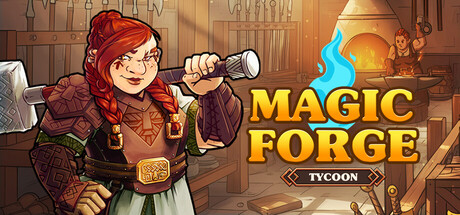
Emotions
Archetypes
What players like:
Common complaints:
Gameplay feedback:
Performance notes:
Recommendations:
Other player notes:
- -
No data available
Similar games
Blend with other games 81%Great Houses of Calderia
 81%Medieval Blacksmith
 81%Norland
 80%Grand Ages: Medieval
 80%The Guild Gold Edition
 80%Gold Gold Adventure Gold
 79%Software Inc.
 79%Industry Manager: Future Technologies
 79%Mount & Blade II: Bannerlord
 79%Mad Games Tycoon 2
 79%SAELIG
 78%City Game Studio: Your Game Dev Adventure Begins
Review evidence
Why players say this
Review evidence
Why players say this
What players like
Engaging and fun gameplay: The gameplay is engaging, fun, and enjoyable, with a variety of activities to keep players interested.
Good value for the price: Players find the game to be a good value for its price, offering a lot of content and enjoyment.
Interesting and unique mechanics: The game features interesting and unique mechanics that set it apart from other tycoon games.
Smooth and well-balanced progression: The game offers a smooth and well-balanced progression system that keeps players engaged.
Satisfying upgrades and optimization: Equipment upgrades and optimization aspects provide a sense of achievement and satisfaction.
Common complaints
Lack of content variety: Many players have noted that the game becomes monotonous quickly due to a lack of diverse content. This includes repetitive gameplay and not enough variety in activities.
Short game duration: Several reviews mention that the game is very short and lacks longevity. This affects the overall replayability and satisfaction.
Technical issues and bugs: There are various technical issues and bugs reported, including game crashes, translation issues, and specific bugs like the inability to operate during NPC conversations.
Lack of guidance: Players have reported a lack of guidance in various game systems, making it difficult to understand and progress through the game.
Repetitive crafting process: The crafting process in the game is seen as boring and tedious, contributing to the overall repetitiveness.
Gameplay and performance
Geopolitical and Political Systems: Players engage with a complex geopolitical landscape, balancing weapon sales, diplomacy, and political environments. The game simulates the impact of these actions on kingdoms' power and global conflicts.
Comprehensive Forge and Crafting Mechanics: The game features an extensive forging and crafting system, allowing players to create and customize a variety of weapons and magical items. This includes detailed mechanics for weapon production, enchantments, and alchemy effects.
Economic and Management Simulation: The game includes robust economic management and optimization strategies. Players must manage resources, trade, and economic power to succeed, with a focus on strategic decision-making and micro-management.
Dynamic World and Progression: The game features a dynamic world influenced by player choices, with a progression system that includes meta-progression, guild upgrades, and a sandbox mode. Players can influence world balance and engage in high score hunting.
Tycoon Gameplay Style: Inspired by games like Game Dev Tycoon, this game offers a tycoon-style experience where players build and manage their blacksmithing empire. The gameplay loop involves accepting contracts, fulfilling orders, and expanding influence.
Generally stable performance: Many players have experienced smooth performance with very few bugs, indicating that the game is technically functional.
Performance issues reported: Several players have reported performance issues, including game crashes and FPS drops.
Recommendations
Recommended for tycoon and fantasy fans: This game is highly recommended for fans of tycoon-style games and those who enjoy fantasy settings. It is particularly appealing to players who enjoyed Game Dev Tycoon.
Highly recommended game: The game is highly recommended due to its unique systems and dynamic world. Reviewers praise its engaging mechanics and overall quality.
Buy on sale: Many reviewers suggest purchasing the game during a sale to get the best value for money. It is seen as worth buying when discounted.
Recommended for minimalistic economic simulator fans: This game is recommended for fans of minimalistic economic simulators and those who enjoy casual management simulation games. It offers a strategic and deep gameplay experience.
Anticipation for more content: Players are looking forward to more content being added to the game in future updates. There is hope for expansions that will enhance the gameplay experience.
Buying context
Game completion: 5.8h.
Session length: 2.0h.
Endgame: 10.0h.
The game starts slow and tedious but may become more enjoyable after several hours of play once players overcome the initial repetitive phases.
Reported time to anchor: 5h.
Friction: Tedious mechanics; Lack of immediate engagement; Repetitive forge mechanic; Trial-and-error process.
Unlock drivers: Progression; Upgrades.
Player profiles
Strategy Enthusiast: Strategic and comparative, using past experiences to guide their gameplay. Motivation: Enjoyment of strategic gameplay and political depth. Stance: buy.
Casual Gamer: Casual and laid-back, focusing on enjoyment rather than challenge. Motivation: Relaxation and enjoyment of a casual gaming experience. Stance: buy.
Critical Veteran: Analytical and critical, focusing on identifying and addressing game flaws. Motivation: Improvement of game mechanics and clarity. Stance: sale.