- Highly enjoyable survival experience with great value
- Accessible gameplay with engaging storytelling
- Fun exploration and hidden content discovery
- Harsh survival mechanics frustrate some players
- Combat system needs significant refinement
- Game-breaking bugs and save issues reported
Emotions
What players like:
Common complaints:
Gameplay feedback:
Performance notes:
Recommendations:
Other player notes:
Similar games
Blend with other games



Review evidence
Why players say this
Review evidence
Why players say this
What players like
Highly enjoyable survival experience: Players consistently describe the game as fun, engaging, and well-balanced for its price. The survival mechanics, crafting, and exploration are frequently praised for their simplicity and depth, making it a standout casual survival experience. The game's ability to keep players invested for hours without frustration highlights its strong core gameplay loop.
Great value for money: Players consistently mention the game's low price (e.g., $7 or 7 euros) as a major selling point, emphasizing its affordability and strong value proposition. The game is seen as a cost-effective alternative to similar survival titles like *The Wild Eight*.
Accessible and intuitive gameplay: The game is praised for its intuitive mechanics, quick tutorial phase, and accessibility for casual players. Its arcade-style survival approach and simple yet engaging crafting system make it easy to pick up and play, even for those new to the genre.
Engaging storytelling and narrative: The game features a compelling storyline with a light sense of intrigue, drawing comparisons to *Deadwood* and other atmospheric narratives. Players appreciate the storytelling's ability to motivate progression and create a sense of immersion.
Fun exploration and hidden content: Players enjoy the large map and the thrill of discovering hidden items, which adds replayability and depth to the exploration mechanics. The world's design encourages curiosity and strategic planning.
Common complaints
Combat system needs refinement: The combat is widely criticized for being clunky, unresponsive, and unsatisfying. Issues include stiff animations, poor hit detection, limited stamina, and a lack of progression systems like skill upgrades or weapon improvements.
Harsh survival mechanics: Extreme cold, hunger, and sleep mechanics are seen as punishing, especially when combined with other issues like equipment degradation and limited resources. Some players find these mechanics tedious rather than engaging.
Game-breaking bugs and save issues: Critical bugs, such as save file corruption and getting stuck in environments, force players to replay significant portions of the game. The single save file system exacerbates these issues.
Wolves are overly aggressive: Wolves are described as relentless and overly powerful, making survival difficult when multiple attack simultaneously. Players find them frustrating and unfair, especially in open areas.
Inventory management is cumbersome: Players struggle with limited inventory space, lack of shared storage between bases, and no options for expansion. This makes quest completion and item management frustrating.
Gameplay and performance
Short playtime with exploration focus: Players report the game takes 6-8 hours to complete, with additional time spent on exploration and side quests. The experience is described as a simple survival game with moderate difficulty (6/10), allowing for varied playthrough lengths based on player engagement.
Resource gathering and crafting mechanics: The game emphasizes resource collection (e.g., mushrooms, berries, wood) and crafting (e.g., building cabins). These mechanics are straightforward, with simple interactions like button presses for actions such as chopping trees.
Progression and skill development: The game features a skill tree similar to *Ark* and evolves challenges as players master different aspects. This includes strategic planning and adapting to environmental elements.
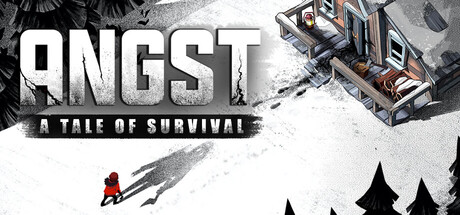
Harsh winter survival setting: The game is set in a snowy, winter environment where players must survive against cold, hunger, wolves, and loneliness. The atmosphere includes a sense of being watched, adding to the survival tension.
Inspired by *The Long Dark*: The game's art style and worldbuilding draw inspiration from *The Long Dark*, suggesting a similar aesthetic and thematic focus on survival in a harsh environment.
Smooth performance and stability: Players consistently reported that the game ran smoothly without technical issues, crashes, or performance hiccups. This feedback highlights a positive aspect of the game's optimization and stability.
Flexible base-building mechanics: The game allows players to create and manage multiple bases with storage options, providing depth and flexibility in gameplay. This feature was highlighted as a positive aspect of the game's design.
Recommendations
Strong recommendation despite flaws: A significant portion of players highly recommend the game, emphasizing its value for the price and enjoyment despite acknowledging flaws or simplistic gameplay. Some players suggest it is particularly appealing to fans of dark, atmospheric, or survival experiences. However, there is a notable minority who do not recommend it due to lack of uniqueness or inferior quality compared to competitors.
Polarized reception based on preferences: The game's reception is divided, with some players finding it enjoyable and worth the price, while others criticize it for being too simplistic or lacking unique features. This suggests the game may have a niche audience, particularly among survival or atmospheric game enthusiasts.
Other review notes
Concerns about game's future support: Players express hope that the game will receive ongoing updates and not be abandoned by developers. This reflects anxiety about long-term content and bug fixes, though the feedback lacks specific details about desired improvements.
Positive first impressions: Some players formed a favorable opinion of the game within a short playtime (less than an hour). This suggests strong initial engagement, but the feedback is limited in depth and lacks specifics about what drove the positive reaction.