- Unique and engaging turn-based card gameplay
- Visually appealing art with mature content
- Strong alliance and social community features
- Progression blocked for free-to-play users
- Unbalanced matchmaking and overpowered characters
- Intrusive monetization and exploitative gacha

Emotions
What players like:
Common complaints:
Gameplay feedback:
Performance notes:
Recommendations:
Other player notes:
Similar games
Blend with other games




Review evidence
Why players say this
Review evidence
Why players say this
What players like
Unique and engaging gameplay mechanics: Players consistently praise the game's unconventional, complex, and strategic mechanics, which provide a thought-provoking and enjoyable experience. The gradual introduction of depth and tactical combat keeps players engaged and adds replayability.
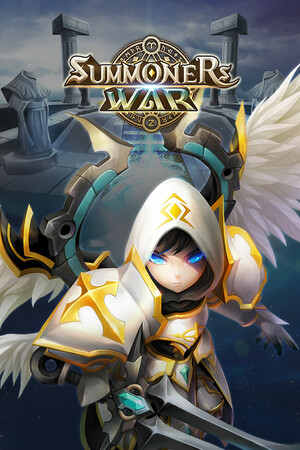
High-quality and visually appealing art style: The game's visuals, character designs, and art style are frequently highlighted as a major strength. Players appreciate the detailed, attractive, and often AI-generated artwork, which enhances immersion and appeal, particularly for fans of the genre.
Tasteful integration of adult content: The game successfully balances adult-themed content with engaging gameplay and narrative. Players appreciate the well-executed scenes, character designs, and the fact that the game offers depth beyond its risqué elements, making it appealing to a broader audience.
Strong community and alliance features: The game fosters a sense of community through alliances, team events, and cooperative gameplay. Features like alliance wars, daily missions, and shared goals enhance engagement and replayability, particularly for players who enjoy social dynamics.
Regular and rewarding events: The game offers frequent events, including limited-time challenges and seasonal content, which provide variety and opportunities to earn rare rewards. While some events are difficult to complete without spending, they add depth and replayability for both casual and dedicated players.
Common complaints
Progression blocked for free players: Free-to-play players face significant barriers to progression, with many features and content locked behind paywalls. Progression slows dramatically or halts entirely without spending money, making the game feel like a grind with no meaningful rewards. This issue is exacerbated by artificial difficulty spikes and unfair matchmaking.
Unbalanced and unfair matchmaking: The matchmaking system is widely criticized for being rigged and unfair. Players are frequently matched against opponents with significantly higher power levels or overpowered characters, often suspected to be bots. This creates an unenjoyable and frustrating experience, particularly for non-paying players.
Overpowered and unbalanced characters: New characters and commanders are frequently introduced in an unbalanced state, often being overpowered and disrupting gameplay. Older characters are nerfed or rendered obsolete, forcing players to spend money to remain competitive. This power creep makes the game feel unfair and frustrating.
Cheating and unfair AI mechanics: The game is accused of cheating through unfair AI mechanics, such as giving opponents unfair advantages, manipulating match outcomes, or using bots to frustrate players. These mechanics make the game feel rigged and unenjoyable, particularly for non-paying players.
Intrusive and excessive monetization ads: The game is inundated with frequent and intrusive pop-up ads encouraging players to spend money. These ads disrupt gameplay and create a frustrating experience, with some players reporting that they appear every few minutes. The monetization is described as toxic and exploitative.
Gameplay and performance
Gacha and loot box systems: The game employs gacha mechanics for recruiting new units, commanders, or cards, often tied to in-game currency or real-money purchases. Daily draws, loot boxes, and timed rewards are common, with some players criticizing the system for encouraging spending or being overly grindy.
Turn-based strategic combat core: The game revolves around turn-based combat with strategic elements like team composition, positioning, and ability combos. Players deploy mercenaries or units on a grid, emphasizing tactical decision-making and synergy between characters. This is a foundational mechanic mentioned across multiple clusters.
Deck-building and card collection mechanics: Players collect cards representing characters, mercenaries, or abilities to build decks or squads. Upgrading, evolving, and strategically combining these cards is central to progression and combat effectiveness. This mechanic is frequently highlighted as a core gameplay loop.
Alliance and social features: Players can join alliances to participate in group activities like wars, territory defense, and helicopter races. Alliance tasks and matchmaking based on activity levels encourage social interaction and cooperation, though some players find these features underdeveloped or punitive for inactivity.
PvP and competitive leagues: The game is heavily PvP-focused, featuring competitive leagues, ranked matchmaking, and anonymous battles. Progression through leagues unlocks new content and rewards, though some players note that higher leagues can feel unbalanced or pay-to-win.
Severe technical instability at launch: Players report frequent crashes, freezes, and infinite loading screens, particularly during the tutorial phase or shortly after launch. These issues often require drastic measures like file deletion or repeated restarts to mitigate, indicating critical stability problems in the game's core infrastructure.
Persistent network and server issues: Players experience disconnections, server instability, and login failures, with some reporting extreme cases like 1000+ restarts due to network errors. These issues are compounded by payment process congestion and rollbacks, suggesting systemic problems with server architecture or backend services.
Browser version performance and exploits: The web version suffers from frequent errors, progress rollbacks, and noticeable performance degradation. Additionally, an exploit allows offline manipulation of game results, undermining fair play and highlighting security vulnerabilities in the browser-based implementation.
High GPU usage and performance degradation: Players report excessive GPU usage and significant slowdowns during specific scenarios, such as fight sequences or higher league levels (e.g., league 26/27). These issues suggest inefficiencies in optimization or resource management, particularly during intensive gameplay moments.
Low system requirements and smooth animations: The game performs well on low-end hardware and delivers smooth animations, which are positive aspects noted by players. These attributes may appeal to a broader audience but are overshadowed by more critical technical issues.
Recommendations
Not recommended for most players: A significant portion of reviews explicitly advise against playing the game, citing reasons such as unfair monetization, poor balance, and lack of meaningful progression for non-paying players. This point is frequently mentioned and reflects a strong negative sentiment toward the game's overall value.
Limited appeal for free-to-play players: Free-to-play players consistently report feeling disadvantaged or unable to progress meaningfully without spending money. This limitation significantly narrows the game's audience and contributes to its negative reputation among non-paying players.
Better alternatives available: Multiple reviews suggest that there are superior alternatives to this game, both in terms of gameplay quality and monetization practices. Players recommend exploring other games that offer a fairer or more enjoyable experience without the aggressive pay-to-win mechanics.
Suitable for casual or short-term play: Some players acknowledge that the game can be enjoyed casually or as a brief pastime, particularly if the player avoids spending money. However, this sentiment is often caveated with warnings about the game's monetization traps and lack of long-term appeal.
Potential for improvement with changes: A few reviews suggest that the game could improve with changes such as fairer monetization, better balance, or more content. However, these points are often speculative and based on limited or low-quality feedback, indicating skepticism about the likelihood of such improvements.
Other review notes
Mixed reception of gameplay depth: While some players praise the game's strategic elements and engaging gameplay loops, others criticize it as shallow or repetitive, particularly for those not invested in its adult themes. The game's appeal is polarized, with dedicated players enjoying its mechanics and long-term progression, while others find it lacking in substance or overly reliant on grinding.
Adult content as core appeal: The game prominently features sexual themes, including a dating and intimacy system with text-based and rare animated scenes, catering to mature audiences (18+). While this content is a significant draw for its target audience, it may not suit all players, particularly those sensitive to explicit material. The game is explicitly marketed for adult players, and this aspect is both a selling point and a point of contention for some reviewers.
Low-quality or review-bombing feedback: Some reviews contain hyperbolic or emotionally charged language, such as calling the game 'total garbage' or comparing it to a 'sarcophagus.' These points appear to be part of a review-bombing campaign or personal grievances, offering little constructive feedback. The importance is low due to the lack of specificity or actionable insights.
Support and balance improvements needed: Reviewers highlight issues with developer support, such as prioritizing in-game rewards over addressing gameplay problems. Additionally, balance concerns, particularly around pay-to-win mechanics and bot difficulty, are frequently mentioned as barriers to fair and enjoyable gameplay.
Lack of offline or expanded modes: Players express a desire for additional game modes, such as an offline mode or a poker mini-game, to enhance replayability and accessibility. The current lack of variety in gameplay options limits the game's appeal to a broader audience, particularly those who prefer solo or casual experiences.