- Engaging and immersive storytelling experience
- Exceptional level and puzzle design quality
- Faithful Indiana Jones adventure recreation
- Poor combat mechanics and balance issues
- Shallow and repetitive gameplay elements
- High hardware requirements and bugs

Emotions
What players like:
Common complaints:
Gameplay feedback:
Performance notes:
Recommendations:
Other player notes:
Similar games
Blend with other games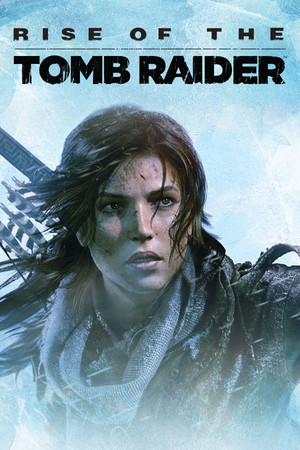 85%Rise of the Tomb Raider™
 84%Tomb Raider Game of the Year
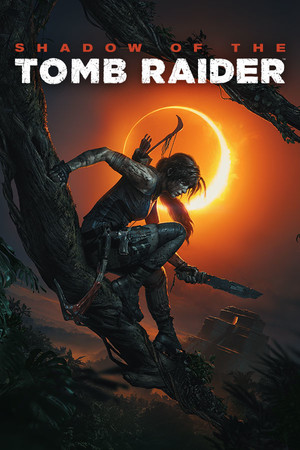 81%Shadow of the Tomb Raider: Definitive Edition
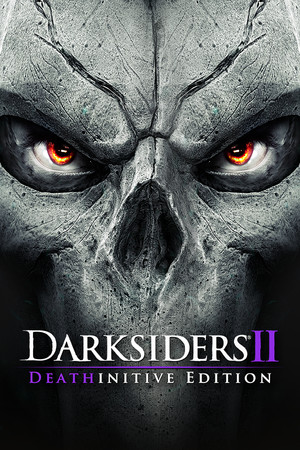 80%Darksiders II Deathinitive Edition
 79%Hell is Us
 79%Sword and Fairy 7
 79%Dreamfall: The Longest Journey
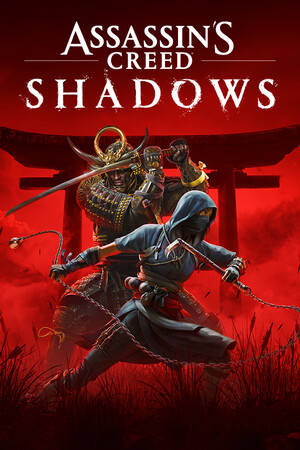 79%Assassin’s Creed Shadows
 79%The Talos Principle 2
 79%Atomic Heart
 79%Control Ultimate Edition
 79%Beyond Good and Evil™
Review evidence
Why players say this
Review evidence
Why players say this
What players like
Engaging and immersive storytelling: The game's story was highlighted as one of its strongest aspects, with players noting its humor, pacing, and faithfulness to the Indiana Jones franchise. The narrative was described as engaging, well-crafted, and comparable to the films.
Faithful Indiana Jones experience: The game successfully captured the spirit, tone, and charm of the Indiana Jones films, with players praising its adherence to the franchise's lore, humor, and adventure elements. Many described it as a love letter to the original trilogy.
Exceptional level and puzzle design: Players appreciated the well-balanced puzzles and thoughtfully designed levels, which encouraged exploration and problem-solving. Puzzles were described as challenging yet fair, with a variety of mechanics that kept gameplay fresh.
Cinematic presentation and atmosphere: The game's cinematic feel, including its cutscenes, music, and voice acting, was highlighted as a key strength. Players described the experience as immersive and akin to playing through an Indiana Jones movie.
High-quality side quests and content: Side quests were praised for their depth, storytelling, and seamless integration into the main narrative. Players noted that side content was indistinguishable from the main story in terms of quality and engagement.
Common complaints
Poor combat mechanics and balance: Combat is criticized for being clunky, unbalanced, and lacking strategy. Players highlight issues like ineffective guns, weak enemy AI, and frustrating mechanics (e.g., stamina bars, unblockable attacks).
Shallow and repetitive gameplay: Players consistently report that the gameplay lacks depth, feels outdated, and becomes repetitive. Combat, puzzles, and exploration are described as basic, unengaging, and poorly integrated with the game’s world-building.
High hardware requirements and poor optimization: The game demands excessive VRAM and CPU/GPU resources, leading to performance issues (e.g., FPS drops, stuttering) even on high-end systems. Optimization is described as poor, with memory leaks and inconsistent performance.
Bugs and technical instability: Numerous bugs, crashes, and performance issues plague the game, including game-breaking glitches, save file corruption, and unresolved post-launch problems. Some bugs prevent progression or require reloading saves.
Weak stealth and AI systems: Stealth mechanics are simplistic, with poorly designed enemy AI that is easily exploitable. NPCs and companions exhibit immersion-breaking behaviors, such as unrealistic reactions or blocking progress.
Gameplay and performance
Action-adventure genre blend: The game merges action-adventure, puzzle-solving, and exploration, drawing comparisons to franchises like *Uncharted* and *Tomb Raider*. It emphasizes story-driven gameplay with first-person immersion and cinematic moments.
Core puzzle-solving mechanics: Puzzles are a central gameplay element, integrating environmental interactions, symbol matching, and interconnected systems (e.g., light, cycles). Players note varying difficulty levels, from easy to challenging, with optional assistance for accessibility.
Side quests and exploration: Side quests expand the main story with objectives like artifact collection, note-finding, and photography. They are tied to exploration, offering unique challenges and rewards, though some feel disconnected from the core narrative.
Exploration-driven progression: Exploration is a key mechanic, enabling crawling, climbing, and whip-swinging to uncover secrets, unlock skills, and access hidden areas. Three main maps offer linear but flexible progression with backtracking encouraged.
First-person perspective with cutscenes: The game primarily uses first-person perspective for immersion, with occasional third-person cutscenes during climbing, puzzles, or cinematic sequences. This hybrid approach enhances storytelling while maintaining player agency.
Mid-tier hardware compatibility: Runs smoothly on mid-range systems (e.g., RTX 2070 Super, RX 7900 XT) with settings tweaks, though high-end hardware is needed for max settings.
VRAM management problems: The game uses excessive VRAM (e.g., 16GB+ at 4K), leading to crashes or performance drops on GPUs with ≤8GB VRAM (e.g., RTX 3050).
DLSS and frame generation trade-offs: DLSS improves performance but introduces artifacts/noise, while frame generation can cause stuttering or require FPS capping (e.g., 120 FPS) to avoid issues.
Post-launch optimization improvements: Initial performance issues and bugs were mostly resolved via patches, though some areas (e.g., temple post-boss) still suffer from poor optimization.
Texture and LOD issues: Players report flickering textures, pop-in, and water/smoke artifacts, particularly in cutscenes or high-motion areas.
Recommendations
Highly recommended for adventure fans: The game is widely praised for its storytelling, exploration, and puzzle-solving, making it a strong recommendation for fans of adventure and exploration games. Many reviews highlight its immersive experience and faithfulness to the Indiana Jones spirit.
Best for Indiana Jones fans: The game is repeatedly recommended for fans of the Indiana Jones franchise, capturing the essence of the films and delivering a true adventure experience. It is also considered a must-play for fans of classic Spielberg movies.
Worth buying on sale: While many players find the game worth the price, a significant portion of feedback suggests waiting for a discount (20-30% off) due to its high base price. Some even recommend it only for deep discounts.
Sequel and future games hoped for: Many players express hope for a sequel or more games in the same style, praising the current title as one of the best in recent years and a strong contender for Game of the Year. They also hope for more Indiana Jones games from the developers.
Performance issues noted: Some reviews caution against purchasing unless the player has a high-end GPU (16GB or better) or suggest waiting for performance fixes. Others warn of potential crashes or a 'broken' experience on certain platforms.
Other review notes
DLC and expansion potential: Players mention teases for DLC, including location expansions and achievements, while expressing enthusiasm for sequels. This indicates strong interest in extended content.
Troy Baker's praised performance: Reviewers highlight Troy Baker's voice acting, particularly his imitation of young Harrison Ford as Indiana Jones. This adds authenticity and nostalgia for fans of the franchise.
Strong franchise comparisons: Players frequently compare the game to major franchises like Uncharted, Tomb Raider, and GTA, noting it diverges from their typical styles. This highlights expectations for adventure or open-world mechanics.
$80 price point debated: The game's $80 price tag is frequently mentioned as too high, with comparisons across platforms. This suggests sensitivity to value for money among players.
Nostalgia for Indiana Jones: Fans of the Indiana Jones films express nostalgia, particularly for clichés like fascist villains and supernatural elements, which resonate with the game's themes.