- Colorful fun characters praised
- Art graphics music positive
- Story continues franchise continuity
- Lack of meaningful choices
- Art style feels AI-generated
- Worse than previous games
Emotions
Archetypes
What players like:
Common complaints:
Gameplay feedback:
Performance notes:
Recommendations:
Other player notes:
Similar games
Blend with other games 87%Vampire: The Masquerade - Shadows of New York
 85%Vampire: The Masquerade® - Bloodlines™ 2
 82%Nighthawks
 80%NOeSIS02_羽化
 79%Putrika 2nd.cut:For the Exquisite Attire
 79%Werewolves 3: Evolution's End
 79%Sucker for Love: Crush Landing
 79%Knights College 2
 79%Sucker for Love: Date to Die For
 78%Staffer Retro : A Supernatural Mystery Quest
 78%fault - milestone one
 78%Your Turn To Die -Death Game By Majority-
Review evidence
Why players say this
Review evidence
Why players say this
Steam review verdict
Colorful characters and pleasant art and music continue the franchise's story, but a lack of meaningful choices, an AI-generated feel to the style, and a step down from previous games hold it back.
What players like
Characters are colorful and fun: Beyond Kali, the overall cast is seen as colourful, distinctive, and intriguing, with fun dynamics and well-developed arcs. This includes the relationship between Kali and Pádraic, which is highlighted as a strong point.
Art and graphics praised: Multiple reviews highlight the game's appealing artwork and graphics, noting that they look good and remain impressive. This positive visual feedback spans both broad and specific mentions of art quality.
Music and sound design positive: The game's music and sound design receive consistent praise, with reviewers enjoying the soundtrack and audio elements. This contributes to the overall immersive and atmospheric experience.
Story continues franchise continuity: The narrative weaves elements from previous games and continues the story effectively, expanding on established characters and lore. This continuity is appreciated by fans of the series.
Overall game quality is solid: General sentiment indicates the game is pretty good, okay, or good overall, reflecting a positive but moderate assessment. It provides fun and an immersive experience for players.
Common complaints
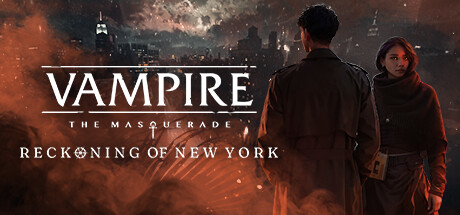
Art style feels AI-generated: Players frequently describe the new art style as uncanny, pseudo-realistic, and resembling generic AI-generated slop, with artifacts and a soulless polish. This appears across multiple clusters, indicating a strong negative reaction to the visual overhaul.
Lack of meaningful choices: Players report that choices have little to no impact on the story, with the game being highly linear and on rails. This is a recurring theme across many clusters, highlighting a core gameplay flaw.
Worse than previous games: Many players feel the game is a significant downgrade from earlier installments in the series, citing weaker story, production quality, and overall enjoyment. This sentiment appears in several clusters, indicating a broad disappointment among fans.
Uninteresting main plot: The core storyline is deemed boring, uninteresting, and lacking engagement, failing to hook players compared to previous titles. This is a common criticism that compounds other narrative issues.
Kali is insufferable: The character Kali is widely criticized as annoying, unlikeable, and lacking depth, with dialogue that frustrates players. This is a persistent complaint across a dedicated cluster, suggesting a major character design failure.
Gameplay and performance
Visual novel format dominant: The game is consistently described as a visual novel, with text-heavy presentation, button-press progression, and dialogue choices. This format is the core of the game's experience, emphasizing narrative over traditional gameplay.
Two protagonists with sequential unlock: The game features two playable characters, with the second protagonist's campaign unlocking after completing the first. Their stories are intertwined, offering a second perspective on the same events.
Hunger and hunter mechanics: The game includes Hunger and Hunter Threat mechanics that players must monitor. High hunter presence can disrupt feeding opportunities, and the hunter scale can be disabled at the start for a more narrative-focused experience.
New discipline mechanics introduced: The game introduces new Discipline mechanics compared to previous titles, adding fresh gameplay elements. This includes a system where hunger points can be allocated into disciplines.
World of Darkness setting: The game is set within the World of Darkness universe, specifically tied to Vampire: The Masquerade. This setting informs the narrative and character design.
Auto-minimizes on first launch: The game automatically minimizes and cannot remain open long enough to load a save, forcing a manual restart, which severely hampers initial access.
Occasional bugs and frame drops: Users report sporadic bugs and frame rate dips, suggesting minor performance issues that could affect gameplay stability.
Audio works on Linux: Confirming that audio functions properly on Linux and SteamOS platforms, indicating positive platform support.
Recommendations
Prior trilogy knowledge needed: A significant number of reviewers advise playing the previous two games in the trilogy before this one. The game is best appreciated by those who have followed the existing story and characters.
Wait for steep discount: The majority of feedback suggests waiting for a significant sale before purchasing. Many recommend discounts of 50% or more, and some even suggest waiting for 75% off.
VtM fans should play: Many reviews recommend this game specifically for fans of the Vampire: The Masquerade franchise and World of Darkness lore. It is considered a must-play for dedicated fans of the setting.
Not recommended overall: A significant portion of feedback strongly advises against buying the game. These reviewers describe it as not worth the time or money, with some even suggesting to save money entirely.
Not worth full price: Several reviewers explicitly state that the game is not worth its full price. They advise buying only on sale or skipping it altogether unless you are a superfan.
Buying context
Community fair range: $5.00 - $10.00.
Game completion: 10.0h.
Story completion: 6.5h.
The game is experienced as a slow, repetitive, exposition-heavy slog at first, but players who push through to the later chapters report it improves, so the fun tends to click only near the end rather than from the start.
Friction: Dense early exposition and slow pacing; Decisions that feel like they don't change the story; Repetitive scenes replayed across both protagonists; Content locked behind a second playthrough; Pretentious or clumsy writing style; Underdeveloped and repetitive side arcs.
Unlock drivers: Engaging overarching mysteries that pull the player forward; Consistent pacing within each night/chapter; Reaching the ending where the story improves; Glossary, journal, and character index easing comprehension; Dynamic artworks and immersive audio smoothing the experience.
Player profiles
Disappointed Series Veteran: Plays both character routes for completion, but criticizes lack of agency and art downgrade. Motivation: To close out the trilogy and see the full story despite a drop in quality. Stance: deep sale.
World of Darkness Lore Devotee: Reads all text, appreciates world-building and atmosphere, may use in-game glossary to understand lore. Motivation: To immerse in the Vampire: The Masquerade universe and explore new clans and lore. Stance: buy.
Completionist Achievement Hunter: Methodically plays both characters and uses guides or multiple runs to find all achievements and scenes. Motivation: To achieve 100% completion and experience all story content. Stance: deep sale.
Other review notes
Part of New York trilogy: The game is clearly recognized as the third and final installment in the New York trilogy, set in the Vampire: The Masquerade universe. Many reviews mention its position as the concluding chapter of the series.
Weakest entry in trilogy: Reviewers frequently compare this game to Coteries of New York and Shadows of New York, describing it as the weakest or most disappointing entry in the trilogy. This appears across multiple clusters, indicating a consistent critical consensus.
Set in World of Darkness: The game is explicitly tied to the World of Darkness setting and the Vampire: The Masquerade franchise, which is a significant part of its identity and appeal for fans.
Compared to previous titles: Reviewers often compare the game's mechanics, story, and writing to the prior games in the series, frequently noting a decline in quality. The comparisons are a central theme in feedback.
Playtime varies widely: Reported playtimes range from about 5 hours to 8-10 hours, suggesting inconsistent pacing or content depth. This could affect perceived value for money.