- Effective horror atmosphere creates immersion.
- Unique perspective-shifting gameplay is creative.
- Enjoyable puzzles offer balanced challenge.
- Excellent voice acting delivers emotive performances.
- Short playtime and lack of content.
- Repetitive puzzle design feels uninspired.
What players like:
Common complaints:
Gameplay feedback:
Performance notes:
Recommendations:
Other player notes:
Similar games
Blend with other games






Review evidence
Why players say this
Review evidence
Why players say this
What players like
Effective, immersive horror atmosphere: The game excels in creating a captivating and eerie atmosphere through its sound design, visuals, and overall presentation. Many reviewers compare the game favorably to "Little Nightmares" and "Among the Sleep", noting the effective use of psychological horror and a constant feeling of vulnerability.
Unique and creative gameplay: Reviewers consistently highlight the game's unique and creative gameplay, praising its innovative mechanics and interesting story. The game's concept and execution are considered well-done, offering a fresh and enjoyable experience.
Enjoyable and balanced puzzles: The game features a variety of puzzles that are generally considered enjoyable and well-balanced, providing a satisfying challenge without being overly difficult. The puzzles are often integrated meaningfully into the game's world, and the change of perspective adds a unique flavor to the puzzle-solving experience.
Excellent, emotive voice acting: The voice acting, particularly for the character of Sophie, is highly praised for conveying her vulnerability and emotional state. Her dialogue and interactions with the player create a strong emotional connection and enhance the overall experience.
Well-optimized, polished, fairly priced: The game is well-optimized and polished, with reviewers noting the absence of game-breaking bugs and the availability of options to mitigate motion sickness. The game is also considered to be well-priced and appropriately short, avoiding unnecessary padding.
Common complaints
Short playtime, lacks content: Multiple reviewers found the game to be short, with playtime around 3-4 hours. Many felt that the length did not justify the price and wanted more content. This was a consistent complaint.
Repetitive, uninspired puzzle design: The puzzles are a core mechanic, but many reviewers found them to be repetitive, easy, and lacking originality. The perspective-switching mechanic wasn't used to its full potential, and later variations didn't overcome the system's limitations.
Lacks polish, feels incomplete: Several reviewers felt the game lacked polish and a sense of urgency, making it feel incomplete. Some described it as more of a tech demo than a finished product.
Pricey for the content: Some reviewers felt the game was overpriced for the amount of content offered. The short playtime was a factor in this assessment.
Disorienting camera angles: Some reviewers found the camera angles disorienting at times. This made navigation and puzzle-solving more difficult.
Gameplay and performance
Innovative multi-perspective gameplay: The game features innovative perspective shifts between first-person, third-person, and fixed 2.5D views, often tied to puzzle-solving and chase sequences. This multi-perspective mechanic is a core element of gameplay, with some players finding it fresh and interesting.
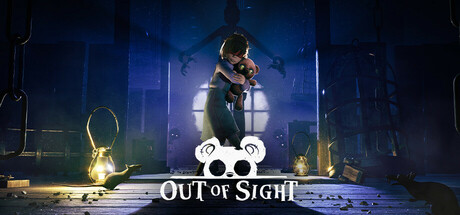
Unique teddy bear perspective: Players control a blind girl, Sophie, who can see through her teddy bear's perspective as they try to escape a large mansion. The teddy bear mechanic is central to both the narrative and gameplay.
Simple mechanics, deep emotion: The game uses simple mechanics and controls to create a deep emotional experience. Players must be attentive, as mistakes lead to darkness and uncertainty.
Tedious grinding aspect: While the game's concept and gameplay were enjoyable, the reviewer found a tedious grinding aspect unenjoyable. This suggests that the game may contain repetitive tasks that detract from the overall experience.
Repetitive environments cause monotony: Repetitive exploration of the same house leads to a feeling of monotony. This suggests a lack of variety in environments and challenges, which can negatively impact player engagement.
Potential for motion sickness: The game's first-person perspective may cause motion sickness for some players. However, the game avoids screen shaking during movement, which helps to reduce motion sickness.
Recommendations
Strongly recommended; unique horror experience: Many reviewers recommend the game, praising its unique perspective, innovative gameplay, and satisfying horror elements reminiscent of Little Nightmares. Some suggest waiting for a sale, but overall, the game is considered a worthwhile and memorable experience, especially for fans of the genre.
Wait for sale/try demo: Some reviewers find the game скучно (boring) and not worth the full price, especially compared to other games in the same price range. They suggest trying the demo first or waiting for a significant discount before purchasing.
Sequel/DLC potential is promising: The ending leaves open questions, leading reviewers to speculate about and hope for a sequel or DLC to expand upon the story and gameplay. This indicates a desire for more content and a positive reception of the existing world and mechanics.
Excellent 2nd person perspective: The game is considered one of the best 2nd person games played. This is a niche category, but indicates a strong positive impression within that specific gameplay style.
Best horror game of May: The game is potentially the best horror game of May. This is a time-sensitive assessment, but indicates a strong positive impression relative to other horror games released in the same month.
Other review notes
Hidden post-credits scene: A hidden post-credits scene shows the old woman finding the teddy bear's missing eye and smiling. This provides a small, additional piece of narrative closure or sets up a potential continuation of the story.
Similar to Little Nightmares: The game is similar to the Little Nightmares series due to the shared genre conventions. This comparison is useful for players familiar with that series to understand the type of gameplay and atmosphere to expect.
Subjective value assessment: The reviewer mentions the game's price and their purchase experience. This point is not about the game itself, but rather the perceived value and cost, which is subjective and less important for evaluating the game's design and mechanics.
Inaccurate character name: The reviewer disputes the name of a character, stating a butler character is not named Clayton. This is a minor detail, but important for accuracy and consistency within the game's lore.