- Overall positive reception and appeal
- Inventory management core highlight
- Weapon variety and synergies praised
- Roguelike genre blend executed well
- Repetitive and boring gameplay criticized
- Bad balancing across the game
Emotions
Archetypes
Hardware
What players like:
Common complaints:
Gameplay feedback:
Performance notes:
Recommendations:
Other player notes:
Similar games
Blend with other games



Review evidence
Why players say this
Review evidence
Why players say this
Steam review verdict
Despite repetitive, poorly balanced runs, its clever inventory management, varied weapon synergies, and smooth roguelike blend earn broad praise.
What players like
Overall positive reception: The game is widely described as good, fun, engaging, and worth playing, with many reviewers expressing strong enjoyment. It is seen as a solid and entertaining experience overall.
Inventory management core highlight: Reviewers repeatedly praise the inventory management system as engaging, well-implemented, and the central fun mechanic. It is described as unique, strategic, and a major reason the game stands out.
Weapon variety and synergies: There are many weapons to use and unlock, with synergies that work well. The weapon variety and combination mechanics are frequently mentioned as a strength.
Character variety and playstyles: A wide range of characters with different playstyles and variations is available, adding depth and replayability. Reviewers appreciate the diverse builds and exclusive weapons per character.
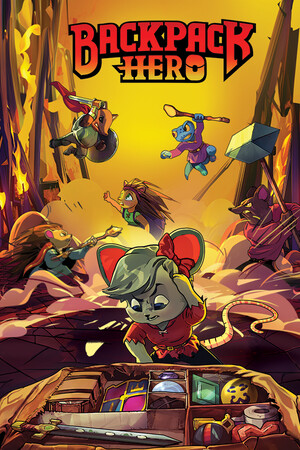
Fusion of popular roguelites: The game is often described as a clever mix of Vampire Survivors, Brotato, and Backpack Hero/Battles. This mash-up of mechanics is seen as fresh and enjoyable.
Common complaints
Repetitive and boring gameplay: Players find the gameplay repetitive, monotonous, and boring quickly. It becomes dull after a few hours, with little to sustain interest. This is a common theme across many reviews.
Bad balancing across the game: Numerous reviews cite terrible balancing in weapons, classes, drops, and overall game balance. Many base game weapons are borderline unusable, and balance seems hard to grasp. This pervasive issue affects the core experience.
Cannot rearrange inventory easily: Players can only move one item out of the backpack at a time, making rearranging tedious. There is no option to place items outside the backpack for slow arranging, unlike similar games. This inflexibility severely hinders inventory organization.
Unpolished and rough: The game feels poorly made, unpolished, and rough around the edges. There are typos, grammar errors, and inconsistent UX in menus. This lack of polish detracts from the experience.
Slow and grindy progression: Progression is described as extremely slow and grindy, especially at the beginning. Unlocking new items and characters is a massive time sink. Metaprogression gates higher difficulties and good items behind lengthy grinding.
Gameplay and performance
Roguelike Genre Blend: The game combines roguelike elements with other mechanics, often described as a mix of Vampire Survivors and backpack management. Runs are structured with randomized items and a 20-floor challenge.
Backpack Management Core: The core gameplay revolves around managing a backpack inventory, where players organize items, weapons, and powerups. This includes capacity limits and strategic placement for synergies.
Weapon and Character Variety: There is a wide variety of weapons and characters, each with different stats and playstyles. This variety encourages diverse builds and replayability.
Unlockable Content and Progression: Players can unlock new characters, weapons, armors, items, and difficulty levels by completing achievements and challenges. This provides long-term goals and rewards for continued play.
Character Build Flexibility: Players can customize characters with different builds using various stats and variations. This allows for multiple playstyles and strategic depth.
Performance optimization criticized: Multiple reviewers describe the performance optimization as bad or lacking, with the character selection menu also appearing unoptimized. Some call the performance horrendous.
Controller stick movement broken: Gamepad controls do not work by default, with the left analog stick failing to move the character without manual configuration. Multiple users report the same XBOX and analog stick movement issue.
Frequent crashes reported: Players report crashes roughly every 1-2 hours, often during weapon purchases and upgrades, and sometimes twice in one day on decent hardware. Crashes are a recurring experience across several reports.
Floors degrade performance: Performance degrades as floors increase, with framerate drops after floor 43 and reaching around 5 fps by floor 150. Freezing also occurs frequently after floor 44 even with minimum graphics settings.
Freezes cause save loss: Game freezing causes save loss, and a bug can freeze the screen so badly that force quitting via task manager or a PC reboot is required. A separate bug causes the screen to go black with unresponsive controls mid-play.
Recommendations
Worth the affordable price: Many reviewers say the game is worth buying at its low price point, including on discount. The cheap cost makes it easy to recommend even with flaws.
Not recommended in current state: A recurring group of negative reviews advises against buying the game as it currently stands. Some cite the state of release, lack of polish, or needing quality-of-life fixes first.
Recommended for roguelike fans: Reviewers frequently recommend the game to players who already enjoy roguelikes and similar genres. It is described as a solid entry point for newcomers to the genre.
Great for Survivor-style fans: Players who like Vampire Survivors, HoloCure, or other survivor-like auto-shooters are often told to try this game. It offers a similar experience with different graphics and mechanics.
Not worth it for some: A smaller set of reviews says the game is not worth any amount of money or is an easy pass. These often cite better alternatives in the genre.
Buying context
Community fair range: $2.99 - $5.99.
Game completion: 50.0h.
Session length: 1.3h.
Endgame: 100.0h.
Players report an early hump of RNG, gated unlocks, and shallow tutorials, after which the loop becomes addictive; a minority find it fun from the first run, and some report it turning repetitive or stale in the late game.
Friction: Early shop RNG and reliance on base banishments; Items and weapons locked behind achievements plus meta-progression token purchases; Tedious, time-consuming unlock requirements with long runs and thin rewards; No tutorial or in-game explanations, and controls cannot be rebound; Wonky hitboxes and almost no i-frames causing cheap early deaths; Repetitive gameplay and weak late-game balance and pacing.
Unlock drivers: Getting a hang of the game makes it addictive; Figuring out the DLC's new mechanics makes it add good value; Unlocking characters with multiple playstyles and meta-progression power-ups keeps it fresh; Building a strong inventory with adjacency bonuses and set perks.
Player profiles
Inventory-Tetris Optimizer: Treats each run as a spatial optimization puzzle, constantly rotating, dropping, and repositioning items between waves to maximize adjacency bonuses. Motivation: The tactile satisfaction of fitting and re-arranging items in a grid-based bag to build optimal loadouts. Stance: buy.
Survivor-Roguelike Genre Fan: Plays wave-based horde survival runs, comparing systems and balance against other roguelikes and building power within each run. Motivation: To experience a genre-blending roguelike that mixes bullet-heaven survival with inventory management in a way that feels fresh against better-known titles. Stance: buy.
Meta-Progression Grinder and Achievement Hunter: Commits to repeated runs to complete achievements, unlock all classes and subclasses, and steadily build up permanent meta-progression stats. Motivation: Chasing the dopamine of unlocking characters, items, and achievements and watching permanent meta power accrue across many runs. Stance: buy.
Platform notes
Both Windows VRAM cohorts are dominated by performance problems, with crashes, freezing, and unplayable reports; only one positive performance report appears in the 8-11GB VRAM cohort.
Windows <8GB VRAM: negative. The only included report describes constant crashing and says the game is unplayable.
Windows 8-11GB VRAM: negative. Two reviewers report severe performance issues and freezing that prevent normal play, despite one positive report.
Steam Deck: Steam Deck feedback shows major friction: system-level instability or reboot on exit, extremely small and unreadable text, and broken controller support despite advertised compatibility. A few users report positive Proton performance and enjoyable portable play, but the dominant issues match the Broken range under the scoring criteria. The final score is 85.
Linux and Proton: The filtered dataset contains only one Linux/Proton-specific compatibility signal: a user reports the game runs flawlessly with Proton. The remaining review discusses gameplay and controls without referencing Linux, Proton, SteamOS, Wine, or a native Linux build, so it provides no Linux compatibility evidence. No Linux-specific launch, performance, anti-cheat, DRM, or workaround issues are reported. The audit therefore places the game in the Works Well range.
Extra review signals
Monetization: The reviews contain no evidence of in-game microtransactions, real-money gacha, pay-to-win, or a cash shop. The monetization complaints focus on a paid DLC that some users say contains content cut from the base game and locks achievements. Because this is traditional paid DLC rather than MTX, the score is capped at 20 under the provided override. The overall monetization profile is therefore limited to DLC, with multiple positive value reports.
Other review notes
Brotato and Backpack Hybrid: Reviewers frequently describe the game as a blend of Brotato's combat with Backpack Hero/Battles style inventory management, and mention Vampire Survivors-style roguelike elements. Cluster 1, 3, 7, and 26 highlight this mashup as a core identity. The combination is generally recognized as the game's main hook.
Low Price Attracts Buyers: Many reviews highlight the game's low price point and good value for money. Cluster 5, 12, and 18 emphasize affordability, discounts, and reasonable pricing. This is a positive factor frequently mentioned.
Perceived as Brotato Clone: Multiple reviews accuse the game of copying Brotato, including character designs and names. Cluster 4 and 8 express strong negative comparisons, calling it a 1:1 copy or inferior. This criticism is a recurring theme among detractors.
Comparisons to Vampire Survivors Mixed: The game is often compared to Vampire Survivors, with some finding it similar but less enjoyable or addictive. Cluster 2 and 13 show that while the genre is comparable, many reviewers consider Vampire Survivors superior in variety and overall experience. These comparisons are common but split in sentiment.
Content Quantity Justifies Price: Many feel the amount of content justifies the low price, offering good value. Cluster 14 and 5 highlight that there is a lot to do for the cost. This reinforces the game's appeal as a budget title.