- Unmatched large-scale battles experience
- Enjoyable core gameplay loop with diversity
- Unique MMOFPS experience with factions
- Game balance struggles for new players
- Outdated and poorly maintained infrastructure
- Rampant cheating and pay-to-win mechanics
Emotions
What players like:
Common complaints:
Gameplay feedback:
Performance notes:
Recommendations:
Other player notes:
Similar games
Blend with other games




Review evidence
Why players say this
Review evidence
Why players say this
What players like
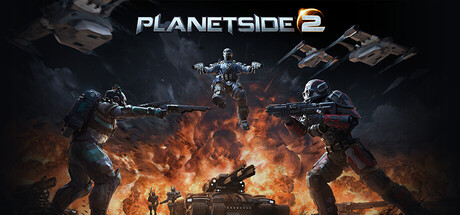
Unmatched large-scale battles: Players consistently highlight the game's massive battles, often involving hundreds or even thousands of players. The scale and chaos of these battles create a unique and adrenaline-inducing experience, setting the game apart from others in the genre.
Enjoyable core gameplay loop: Despite its age and flaws, the game remains highly enjoyable for many players. The core mechanics, such as gunplay and strategic depth, are frequently praised for their solid design and replayability.
Unique MMOFPS experience: The game is described as a one-of-a-kind MMOFPS with large-scale battles, combined arms warfare, and a sandbox environment. Its unique blend of FPS, MMO, and strategic elements is frequently cited as a major draw.
Fair free-to-play model: The game is praised for its fair free-to-play model, which avoids pay-to-win mechanics. Players can unlock all content through in-game currency, and microtransactions are primarily cosmetic.
Diverse gameplay options: Players can engage in a wide variety of roles, including infantry, vehicles, aircraft, and base-building. This diversity allows for multiple playstyles and keeps the gameplay fresh and engaging.
Common complaints
Game Balance and New Player Struggles: The game suffers from poor balance, favoring veteran players and making it unfriendly for newcomers. Many report a steep learning curve, overwhelming complexity, and gear disadvantages that deter new players.
Outdated and Poorly Maintained: The game feels dated, with clunky gameplay, old graphics, and an aging engine. Poor maintenance, frequent bugs, and neglected updates contribute to its decline.
Rampant Cheating and Exploits: Cheaters are prevalent, with reports of aimbots, teleportation, invulnerability, and wallhacks. The lack of effective anti-cheat measures and inconsistent bans exacerbate the problem, driving players away.
Pay-to-Win Mechanics: Monetization heavily favors paying players, with unlocks, implants, and gear locked behind grinds or purchases. This creates an unbalanced experience, particularly for free-to-play players.
Declining Player Population: The player base is shrinking, with fewer active players during off-peak hours. This reduces match quality and makes the game feel
Gameplay and performance
Class-based progression system: Six infantry classes (e.g., Infiltrator, Medic, Heavy Assault) and vehicle roles offer tactical flexibility. Progression includes unlocking abilities, weapons, and perks via gameplay or in-game currency.
Asymmetric faction-based warfare: The game features three distinct factions (NC, TR, VS) with unique weapons, vehicles, and playstyles, creating asymmetric combat dynamics. Players engage in large-scale territorial battles with squad and guild coordination.
Combined arms combat system: Gameplay integrates infantry, ground vehicles (tanks, quads), and air vehicles (fighters, bombers) with counterplay mechanics. Players choose from multiple classes and roles to support team-based objectives.
Squad and outfit teamwork focus: Cooperative gameplay is central, with squads (12 players) and outfits (guilds) enabling coordinated tactics like voice comms and precision strikes. Social systems support long-term group play and resource accumulation.
Weapon and class balance trade-offs: Weapons and classes are balanced with no single 'best' option, featuring trade-offs in damage, time-to-kill, and situational advantages. Infiltrator and Heavy Assault classes receive frequent rework discussions.
Poor optimization for hardware: The game struggles with optimization, particularly in crowded areas or on mid-to-low-end hardware. Performance drops significantly during large battles or on older systems.
Optimized for large-scale battles: While the game handles large battles (50+ players) well, performance drops significantly without a decent CPU. Optimization for scale is a strength but demands high-end hardware.
Netcode and hit registration flaws: Players report lag, rubberbanding, and hit registration delays due to poor netcode. These issues affect combat accuracy and overall fairness in gameplay.
CPU-heavy performance demands: The game relies heavily on CPU performance, often underutilizing GPU capabilities. Players with weaker CPUs experience significant lag, even on low-end hardware.
Aging engine limitations: The game's 13-year-old engine contributes to bugs, performance issues, and graphical limitations. Despite its age, the engine remains functional but unimprovable.
Recommendations
Ideal for large-scale battle fans: The game is highly recommended for players who enjoy massive battles, vehicle combat, and teamwork, offering a unique experience not found in other FPS games. This sentiment is echoed across multiple clusters emphasizing scale and social interactions.
Unique but flawed experience: The game offers a one-of-a-kind FPS experience with persistent warfare and open-world elements, but its flaws (e.g., pay-to-win concerns, balance issues) may lead to quick burnout for some players.
High learning curve for newcomers: New players face a steep learning curve, frequent deaths, and a chaotic environment. Observing experienced players and starting in smaller battles is advised to ease into the game.
Crashing issues deter recommendations: Many players advise against playing the game in its current state due to frequent crashes, performance issues, and lack of anti-cheat measures. This significantly impacts its accessibility and enjoyment.
Best played with friends or squads: The game is optimized for team-based play, with recommendations to join squads, platoons, or outfits for a better experience. Solo play is often frustrating due to reliance on coordination and support.
Other review notes
Promotional in-game rewards: Players receive bonus or promo codes for in-game items, which can enhance the experience or provide cosmetic upgrades. This is a common retention strategy for long-running games.
Server mergers degrade experience: Players report that server mergers have worsened gameplay, likely due to overcrowding, latency issues, or loss of community cohesion. This is a critical concern for multiplayer longevity.
Predatory currency system: The in-game currency system is described as predatory, particularly for new players who may struggle with progression or monetization pressures. This can impact long-term retention.
Cumbersome installation process: The game requires downloading files from a website before Steam installation, adding unnecessary friction for new players. This could deter casual or first-time users.
Controversial developer updates: Specific updates (e.g., Esamir Wall, Ironically Combined Arms) have sparked criticism, suggesting misalignment between developer decisions and player expectations. This can erode trust over time.