- Excellent Fate & Musou game
- Stunning visuals and audio
- Satisfying, dynamic combat
- Bland, repetitive combat
- Mediocre, unengaging story
- Forced repetitive playthroughs
Emotions
What players like:
Common complaints:
Gameplay feedback:
Performance notes:
Recommendations:
Other player notes:
Similar games
Blend with other games




Review evidence
Why players say this
Review evidence
Why players say this
What players like
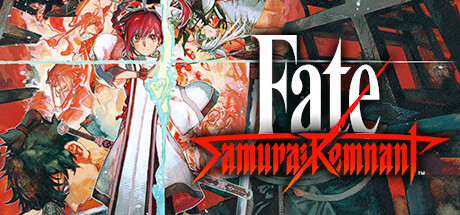
Excellent Fate & Musou Game: Players widely praise the game as an exceptional Fate title and a high-quality Musou-style game. It's considered one of the best entries in the Fate franchise, offering a refined experience that appeals to both long-time fans and newcomers.
Stunning Visuals & Audio: The game receives high marks for its overall presentation, including beautiful graphics, exquisite character illustrations, and high-quality cutscenes. The full Japanese voice acting and impressive sound design further enhance the immersive experience.
Satisfying & Dynamic Combat: The combat system is frequently described as enjoyable, satisfying, and dynamic, blending hack-and-slash elements with strategic depth. Players appreciate the smooth flow, visual impact, and the variety offered by different stances and playable Servants.
Compelling Story & Characters: The story is consistently highlighted as engaging, well-written, and emotionally impactful, with a good pace and rich content. Characters, both new and familiar, are deeply developed, likable, and contribute significantly to the narrative's charm and depth.
Engaging Master-Servant Dynamics: The portrayal of Master-Servant relationships and the ability to play as various Servants are major highlights. The game excels in depicting the unique bonds, diverse fighting styles, and compelling backstories of the Servants, especially the dynamic between Iori and Saber.
Common complaints
Bland and Repetitive Combat: The combat system is widely criticized for being bland, repetitive, and lacking impact. Players find the 'shell' or 'shield' mechanic tedious, making enemies feel like 'HP sponges' and leading to prolonged, unengaging fights. The protagonist's early game weakness and limited stance utility further contribute to a frustrating combat experience, with many attacks feeling like 'scratching' enemies.
Mediocre and Unengaging Story: The story is frequently described as mediocre, unengaging, and lacking depth, especially for a Fate title. Characters, particularly non-protagonists, are underdeveloped, and the narrative often feels rushed or relies on rehashed concepts. The pacing is inconsistent, with excessive dialogue and slow progression, leading to a lack of emotional impact and overall disinterest.
Forced Repetitive Playthroughs: A significant point of frustration is the requirement for multiple playthroughs (2-5 times) to unlock the full story, true ending, and all achievements. This forces players through highly repetitive content, including identical battles and dialogues, leading to severe fatigue and a diminished desire to continue playing. The New Game+ experience offers minimal new content to justify the grind.
Overpriced and Low Quality: The game is widely considered overpriced for its perceived quality and content volume. Many players feel it is a 'half-finished product' with low production values, outdated graphics, and a lack of polish. The high price, especially with DLC, is seen as unjustified given the repetitive gameplay and overall experience.
Poor and Empty Map Design: Map design is criticized for being fragmented, empty, and repetitive, with excessive winding paths and a lack of meaningful exploration. The constant running around, tedious collection elements, and limited fast travel options contribute to a sense of artificial playtime extension and boredom, making traversal a chore.
Gameplay and performance
Hybrid Musou-style combat: The game's combat system is a blend of Musou-style hack-and-slash with more traditional action RPG elements. While it features large-scale enemy encounters reminiscent of Dynasty Warriors, it also incorporates more nuanced, timing-based combat and boss fights, making it distinct from a pure Musou title.
Limited Servant Playability: The game primarily focuses on controlling the protagonist, Miyamoto Iori, with Servants being temporarily playable or AI-controlled. While Servants are powerful, their direct control is limited, emphasizing Iori's progression and combat style throughout the game. DLCs expand the roster of playable Servants.
Crucial Shield-Breaking Mechanic: A core combat mechanic involves breaking enemy 'shields' or 'outer shells' to deal significant damage. This applies to both elite enemies and bosses, who often regain their shields, requiring players to learn attack patterns and utilize specific techniques or stances to create openings.
Dynamic Stance-Based Combat: The protagonist, Miyamoto Iori, utilizes a dynamic combat system centered around five distinct stances (Earth, Water, Wind, Fire, Void). Players must strategically switch between these stances, each offering unique combos and abilities, to effectively engage different enemy types and break their defenses.
Story-Heavy Narrative Focus: The game features a substantial story, often presented through visual novel-style dialogue and cutscenes, which accounts for a significant portion of the gameplay. There are main story branches and numerous side quests that expand the lore and character backstories, some of which are unlocked in subsequent playthroughs.
Inconsistent PC Optimization: Player feedback on PC optimization is mixed. While many report smooth performance and good visuals, some users experience crashes even with recommended specifications, indicating inconsistent optimization.
Frequent Steam Deck Crashes: Despite being Steam Deck Verified, the game frequently crashes on the device, particularly when opening the skill tree. This contradicts its verified status and negatively impacts the player experience.
Frame Rate Cap Issues: The game has a frame rate cap, with some users reporting it locked at 60 FPS and others at 120 FPS. This limitation can lead to a 'slow motion' effect for some players.
Noble Phantasm Performance Issues: Players experience significant lag and desynchronization during Noble Phantasm activations. This includes audio/video delays and occasional frame drops, disrupting critical gameplay moments.
Camera Movement Causes Discomfort: The game's frequent and large camera movements can cause discomfort for players prone to 3D sickness. This design choice negatively impacts accessibility for a segment of the player base.
Recommendations
For Fate/Type-Moon Fans: The game is primarily recommended for existing fans of the Fate series and the broader Type-Moon universe. Newcomers might find the story confusing or the gameplay less appealing without prior context, though some suggest it could serve as an entry point.
Generally Recommended Experience: Overall, the game receives positive recommendations, with many reviewers finding it enjoyable and worthwhile. It is praised for its story and characters, despite some acknowledging its flaws.
Buy On Sale: Many players advise purchasing the game during a sale, especially for non-hardcore fans, as the full price is often considered too high. The Deluxe Edition is also recommended on discount for its included DLC.
DLCs Recommended for Fans: DLCs are generally recommended for players who are deeply invested in the game's story and characters or those aiming for 100% completion. It is often suggested to buy the Deluxe Edition on sale to get all DLC content.
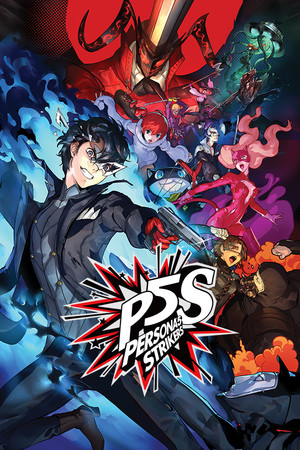
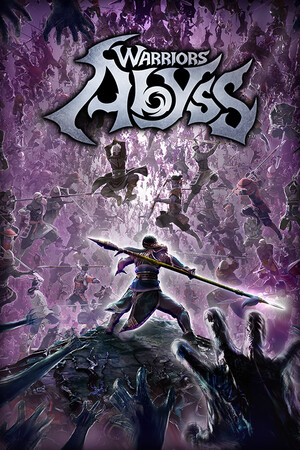
Good for Musou/JRPG Fans: The game is recommended for fans of Musou-style games and Japanese RPGs, with some comparisons to titles like Yakuza or Devil May Cry. However, some reviewers suggest other Fate Musou games like Extella Link offer a better experience.
Other review notes
Fate Universe Integration & Accessibility: The game is a significant collaboration between Type-Moon and Koei Tecmo, deeply rooted in the Fate universe. While it caters heavily to existing Fate fans with numerous references and a visual novel-like narrative style, it is also designed to be accessible to newcomers.
Engaging and Extensive Story: The game offers a compelling and well-written narrative that is considered its strongest asset. Players appreciate the depth of the story, the multiple endings, and the significant playtime required to experience all narrative branches and achieve full completion.
Compelling Protagonist Development: The protagonist, Miyamoto Iori, is a complex and unique character, praised for his consistent internal logic and distinct personality. His development and motivations are central to the narrative, offering a refreshing take on a JRPG lead.
Strong Characters and Voice Acting: The game features strong character development, with well-written dialogue and interactions. Players praise the voice acting and the overall charisma of both main and supporting characters, contributing to an immersive experience.
Story-Driven, Slow Pacing: The game's pacing is often described as slow, akin to a visual novel, with a heavy emphasis on story and dialogue over action. This narrative-driven approach means gameplay can feel secondary, and it may not appeal to players who prefer fast-paced action.