- New cultures are fun
- DLC adds quality content
- Bantu offer unique mechanics
- Wonders are beautiful additions
- Game remains broken and buggy
- DLC overpriced for content
Emotions
Archetypes
What players like:
Common complaints:
Gameplay feedback:
Performance notes:
Recommendations:
Other player notes:
Similar games
Blend with other games 88%Age of Empires III: Definitive Edition - The African Royals
 85%HUMANKIND™ - Cultures of Latin America Pack
 81%HUMANKIND™ - Cultures of Oceania Pack
 79%Age of Empires III: Definitive Edition - The Baltic Powers
 79%Age of Empires II (2013): The African Kingdoms
 79%HUMANKIND™ - Together We Rule Expansion Pack
 79%Age of Empires II: DE – The Last Chieftains
 78%Age of Empires II: Definitive Edition - The Mountain Royals
 77%Age of Empires IV: Knights of Cross and Rose
 77%TerraScape Ancient Egypt
 77%Age of Empires III: Definitive Edition - Knights of the Mediterranean
 77%Age of Empires II: DE - The Three Kingdoms
Review evidence
Why players say this
Review evidence
Why players say this
Steam review verdict
New cultures and Bantu mechanics are fun, DLC adds quality content with beautiful wonders, yet the game remains buggy and the DLC is overpriced for what it offers.
What players like
New cultures are fun: The new cultures are widely appreciated for being fun, interesting, and offering unique playstyles. They add variety and replay value to the game.
DLC adds quality content: Players consistently praise the DLC for enriching the base game with additional content, describing it as beautiful, well done, and a valuable addition. It adds extra flavor without feeling dispensable.
Bantu offer unique mechanics: The Bantu culture introduces innovative mechanics, such as a pioneer unit that grows by gathering from nature and an outreach approach for founding distant cities. This is praised for encouraging out-of-the-box thinking.
Wonders are beautiful additions: The new wonders, including natural wonders like Victoria Falls and Mount Kilimanjaro, are praised for their aesthetic appeal and gameplay bonuses that help final scores.
Good value for price: Many reviewers consider the DLC a good deal for its price, especially given the number of new cultures and content it provides. It is seen as worth the purchase.
Common complaints
Game remains broken and buggy: Multiple reviews report persistent bugs, crashes, and balance issues that prevent progress and ruin the experience. The game is described as broken, with multiplayer and mid-turn crashes cited as major problems.
DLC overpriced for content: Many players feel the DLC is too expensive for the amount of content provided, especially since it only adds six cultures. The price is often described as a rip-off, with some suggesting it should have been a free update.
New cultures poorly balanced: The new cultures are described as underpowered or overpowered, with some being next to pointless. Specific issues include weak passive abilities and units that become obsolete, making them not worth choosing over existing cultures.
DLC lacks new mechanics: The first DLC is criticized for not adding new gameplay features or mechanics, instead offering only minor additions. Players expected more substantial content for a first expansion, such as new systems rather than a simple culture pack.
Base game needs more work: Reviews indicate the base game still has many flaws and requires fixes and expansions to existing systems like religion, natural wonders, and social policies. The DLC does not address these structural problems, leaving the game in a poor state.
Gameplay and performance
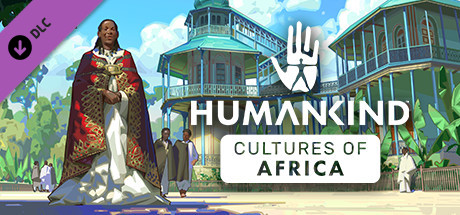
DLC adds six African cultures: The DLC introduces six new cultures from Africa, including Bantu, Garamantes, Swahili, Maasai, Ethiopians, and Nigerians, which are typically underrepresented in similar games. This addition is highlighted as a major positive feature.
Bantu focus on expansion and agriculture: The Bantu culture has mechanics centered on founding distant first cities and extending gathering gameplay into the Ancient Era, with a pioneer unit that grows by gathering from nature. This encourages expansionist and out-of-the-box strategies.
Swahili strong with ports: The Swahili culture gains significant advantages when building ports, including stability bonuses and money generation. Their harbors are considered very useful, and special ports do not count toward the per-territory limit.
Garamantes excel in desert agriculture: The Garamantes culture provides agricultural boosts, making them effective for farming on barren desert land and enabling food production in low-fertility areas. This unique mechanic is praised for addressing food challenges.
Nigerian building helps without oil: The Nigerian special building is useful on maps without oil, providing alternative benefits. This helps mitigate resource scarcity in certain scenarios.
Game crashes to menu: Players report the game crashing to the main menu during their turn, interrupting gameplay. This appears to be a stability issue that needs fixing.
Recommendations
Recommended for Humankind fans: Multiple clusters indicate that the DLC is well-received by players who already enjoy the base game, providing additional content and cultural variety. It is seen as a natural extension for existing fans.
Support developers by buying: Some players recommend buying the DLC as a way to support the studio and encourage continued development of the game. This is a common reason for purchase despite reservations.
Buy on sale: Several reviews suggest purchasing the DLC during a sale due to its price relative to content. Even a small discount is seen as making the purchase more worthwhile.
Value for specific interests: The DLC is particularly recommended for players interested in African cultures or those seeking additional cultural variety, even if the cost per aspect is higher. It offers unique content not found elsewhere.
Not recommended due to issues: Some negative feedback highlights problems such as poor game state and unplayable multiplayer, leading to a recommendation against purchase. These issues are significant enough to deter some players.
Buying context
Community fair range: $5.00 - $7.00.
Game completion: 33.0h.
The game is enjoyable from the start thanks to its art and storytelling, but a multiplayer bug can block progress and prevent fun for some players.
Friction: multiplayer game-breaking bug preventing progress beyond 10 turns.
Player profiles
Base-Game Enthusiast: Likely plays the base game regularly, exploring new cultures and strategies. Motivation: To expand their Humankind experience with new cultures and content. Stance: buy.
Cautious Pragmatist: Plays the base game and evaluates DLC content critically, considering bugs and price. Motivation: To get value for money and support the studio, but only if the player already enjoys the base game. Stance: sale.
Veteran 4X Strategist: Plays strategically, focusing on game design and long-term depth, likely in single-player or multiplayer. Motivation: To experience the evolution of the 4X genre and enjoy strategic improvements over Civilization VI. Stance: buy.
Extra review signals
Monetization: The reviews focus on the price and value of a traditional culture-pack DLC. Complaints include that it is overpriced for the content and that it should have been in the base game. There is no mention of microtransactions, pay-to-win mechanics, loot boxes, or any real-money shop beyond the one-time DLC purchase. Some players even buy it to support the developers. The monetization model is a standard one-time purchase with no predatory elements.
Other review notes
DLC includes five new wonders: The DLC features five wonders, including natural wonders like Mount Kilimanjaro, Victoria Falls, Mount Zuma, and Lake Natron, plus the cultural wonder Great Mosque of Djenne. This enriches the game's world-building.
DLC includes 15 narrative events: The DLC adds 15 narrative events, providing more story-driven content and replayability. These events likely offer unique choices and outcomes.
DLC features 18 new musical tracks: The DLC includes 18 new musical tracks composed by Arnaud Roy, adding to the game's audio experience. This enhances immersion and atmosphere.
DLC adds seven independent peoples: The DLC includes seven independent peoples, adding more variety to the game's non-playable factions. This enhances the diplomatic and strategic landscape.
DLC lacks voice and intros: The DLC lacks voice for descriptions and intro screens for new civilizations and wonders. This reduces polish and immersion compared to the base game.