- Entertaining and fun gameplay
- Early chapters are masterpieces
- Chapter 5 is the best
- Chapter 4 has many bugs
- Too many puzzles overall
- Chapter 1 is too short
Emotions
Archetypes
Hardware
What players like:
Common complaints:
Gameplay feedback:
Performance notes:
Recommendations:
Other player notes:
Similar games
Blend with other games






Review evidence
Why players say this
Review evidence
Why players say this
Steam review verdict
Entertaining and fun with masterful early chapters and a standout chapter 5, though chapter 4 has bugs, chapter 1 feels short, and puzzles can overwhelm.
What players like
Game is entertaining and fun: Players consistently praise the overall entertainment value and quality of the game, describing it as fun, beautiful, and enjoyable.
Early chapters are masterpieces: Chapters 1, 2, and 3 are consistently praised as masterpieces, with Chapter 3 often highlighted as particularly great.
Chapter 5 is the best: Chapter 5 receives exceptional praise, often cited as the best chapter, with high quality and standout moments above previous chapters.
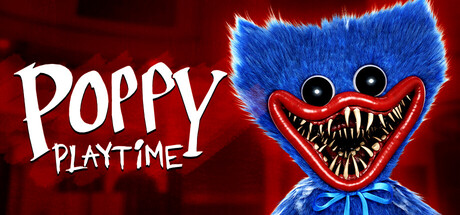
Huggy Wuggy is iconic: Huggy Wuggy is a standout character, described as both terrifying and adorable, with iconic design and memorable chase scenes.
Graphics are beautiful: The graphics and visual quality are impressive, with beautiful environments and animations despite some minor drops.
Common complaints
Chapter 4 has many bugs: Multiple reports cite bugs in Chapter 4, including a blue hand glitch, progression-stopping issues, and a missing Yarnaby boss. Players often needed external tutorials to fix problems.
Too many puzzles overall: A significant portion of the game is puzzles, with some estimates at 70-90% puzzle content. Players find them overwhelming, unnecessary, and detracting from horror and gameplay.
Chapter 1 is too short: Chapter 1 is frequently described as very short, around 10-15 minutes, and lacking in story depth. It is considered the weakest chapter due to its brevity.
Puzzles in later chapters frustrating: Chapters 4 and 5 have particularly confusing and exhausting puzzles, with nonsensical elements and too much walking. This makes the experience feel drawn out.
Pricing model is unpopular: Players dislike paying for each new chapter separately, and the DLC prices for chapters 4-5 and plushies are considered too high. The cost-per-content ratio is poor.
Gameplay and performance
Puzzle-horror hybrid game: The game is primarily a first-person puzzle-horror experience set in an abandoned toy factory, blending puzzle solving with horror elements like jump scares and dark lore.
Puzzles are core gameplay: Puzzles are a major focus, requiring analysis and patience, with a difficulty that is challenging but fair, balanced with walking and survival elements.
GrabPack tool core mechanic: The GrabPack is a central tool with extendable hands that allows players to grab distant objects, solve electricity puzzles, and power machinery, serving as a key mechanic across chapters.
Chase sequences and hiding: The game includes chase sequences where players must evade enemies like Lilly Lovebraids, often with trial-and-error hide-and-seek mechanics, adding tension to the puzzle gameplay.
Chapter-based evolving structure: The game is divided into chapters, each introducing new mechanics, bosses, and antagonists, with evolving gameplay that keeps the experience fresh across the series.
Performance issues in specific chapters: Players frequently report lag, frame drops, and low FPS in specific chapters, especially chapters 3, 4, and 5. These performance issues occur during boss fights, chase sequences, and areas with gas effects, with FPS dropping to 10-15 in some cases.
High system requirements needed: Multiple reports state the game requires good components, like a Ryzen 9 and RTX 3070, to run at maximum graphics. Poor optimization on low-end PCs causes the game to run like a slideshow, with laptops often unable to handle it.
Crashes on various systems: Several reports mention game crashes on Linux, low-end computers, and during specific moments like the Smiling Critters section in chapter 3. Crashes are linked to errors such as LowLevelFatalError and external drive connections.
Good performance on low-end systems: Some players report the game runs well on weaker computers, including low-end notebooks and low-spec PCs, especially at low graphics settings. These users experience smooth gameplay without crashes or long load times.
Recurring bugs and glitches: Bugs persist in the game, including unresolved chapter 4 boss glitches, buggy Yarnaby AI, falling out of the map through vents, repeated cutscenes at checkpoints, lighting issues, and buggy subtitles. These affect gameplay and immersion.
Recommendations
Perfect for horror puzzle fans: Many players recommend the game to fans of atmospheric horror and puzzle games, comparing it to titles like FNAF and Bendy and The Ink Machine. This highlights its specific appeal to the horror puzzle genre.
Strong universal recommendation: Reviews consistently express high satisfaction and recommend the game strongly, using phrases like 'I recommend 100%' and 'definitely worth your time'. This indicates the game delivers a positive overall experience.
Try free chapter first: Players advise trying the free first chapter before buying more, and recommend buying bundles (e.g., chapters 1-3) to save money. This suggests the game's episodic structure encourages cost-conscious trial.
All chapters worth playing: Reviewers recommend playing all chapters, especially chapters 2-4, and consider the game a good starting point for the saga. This suggests the game has strong content beyond the first chapter.
Some advise avoiding purchase: A minority of reviews warn against buying, citing unreliability, overpricing, or recommending refunds. They suggest waiting for sales or the final release. This indicates notable quality or value concerns.
Buying context
Community fair range: $10.00 - $20.00.
Game completion: 5.0h.
Story completion: 5.0h.
The game is initially fun and engaging in its first few chapters, but enjoyment declines significantly in later chapters due to repetitive puzzles and padded length.
Reported time to anchor: 2h.
Friction: Slow start in Chapter 1 (boring for some); Opaque puzzle objectives causing trial and error; Occasional glitches breaking immersion.
Unlock drivers: Progression to later chapters (2 and 3); Introduction of new mechanics and story; Improved atmosphere and set design in later areas.
Player profiles
Horror Atmosphere Enthusiast: Explores cautiously, savoring tension and jumpscares, often replaying for the horror moments. Motivation: To experience intense fear and atmospheric immersion. Stance: buy.
Lore Devotee: Explores thoroughly, searches for hidden lore, replays chapters to catch all narrative details. Motivation: To discover and complete the intricate lore and story. Stance: buy.
Technical Issue Victim: Frustrated troubleshooting, restarting games, or giving up. Motivation: To play without technical interruptions, but hindered by bugs. Stance: no buy.
Platform notes
Performance varies across hardware tiers; low-VRAM and low-RAM systems commonly encounter severe stuttering and crashes, while higher-spec configurations show a mix of smooth play and notable issues.
Windows <8GB VRAM / <16GB RAM: negative. Many players on low-spec hardware report frequent freezes, heavy lag, and launcher issues, making the game unplayable for some.
Windows <8GB VRAM / 16-31GB RAM: mixed. Players with moderate RAM but limited VRAM experience both smooth high-fps gameplay and recurring crashes or lag, depending on configuration.
Windows 12-15GB VRAM: mixed. High-VRAM users report excellent frame rates in some cases but also describe optimization problems, softlocks, and buggy behavior.
Steam Deck: The game suffers from a lack of native controller support, frequent crashes and critical bugs (especially battery glitches blocking progress), and requires specific Proton versions (GE Proton) to run on Steam Deck/Linux. While some users achieve playability after significant tinkering, the overall friction is high due to stability and input issues.
Linux and Proton: Linux/Proton compatibility is mixed. The game can be played with community Proton builds (GE/qt), but users must apply workarounds, and crash reports suggest stability is not guaranteed. A small number of reviews indicate outright broken behavior under default configurations.
Extra review signals
Monetization: User feedback focuses on the high cost and short length of each chapter DLC, as well as frustration over the base game becoming free and DLC prices doubling after early purchases. No evidence of in-game microtransactions, pay-to-win mechanics, loot boxes, or currency obfuscation exists; the monetization model is purely traditional paid expansions with no predatory real-money spending inside the game. The merchandise promotion on the main menu is an external link, not in-game monetization. The score is capped at 20 per the override rule for games with no microtransactions.
External guides: The primary external data dependency in Poppy Playtime is the need for instructional walkthroughs to overcome puzzle difficulties and progression barriers, with occasional bug-related searches. No evidence of economic (farming/drop rates) or inventory/crafting data needs was found.
Other review notes
Episodic chapter pricing model: The game is structured as separate chapters sold individually. The first chapter is free, while subsequent chapters have escalating prices, such as $12 CAD for chapter 2 and up to $25 CAD for chapters 4 and 5, which some players find expensive.
Variable chapter playtime: Chapter lengths vary significantly, with Chapter 1 taking 10-40 minutes, Chapter 2 taking 1-1.5 hours, and Chapter 3 taking 2-4 hours. Overall game length can range from very short (12 minutes total) to over 24 hours for dedicated players.
Anticipation for future chapters: Players are eagerly awaiting Chapter 5 and Chapter 6, with many expressing excitement and hope for upcoming releases. Chapter 5 is noted as releasing soon, and Chapter 6 is hinted at by a cliffhanger ending.
Chapters played partially: Many reviewers have only played the first few chapters, with some having played Chapters 1-3 and not yet played Chapters 4 or 5. This indicates a staggered player base due to the episodic release model.
Chapter 1 as free demo: The first chapter is free and is often described as short but impactful, serving as a trial or demo. It was previously paid but later made free, and some players appreciate this introduction.