- Fun and engaging gameplay
- Realistic nuclear war consequences
- Exceptional immersive soundtrack
- Easy to learn concepts
- Unique multiplayer social dynamics
- Repetitive gameplay and bugs
Emotions
Archetypes
What players like:
Common complaints:
Gameplay feedback:
Performance notes:
Recommendations:
Other player notes:
Similar games
Blend with other games





Review evidence
Why players say this
Review evidence
Why players say this
Steam review verdict
Fun and engaging with realistic nuclear war consequences and an immersive soundtrack, but repetitive gameplay and bugs hold it back.
What players like
Gameplay is fun and engaging: Players consistently report that the game is fun, entertaining, and worth trying. The gameplay is described as simple yet satisfying, with a good balance of challenge and enjoyment.
Nuclear war consequences are portrayed realistically: The game masterfully represents the consequences of nuclear war, driving home the message that in a nuclear war, everyone loses. Players find it to be a realistic, horrifying, and grounded portrayal that prompts reflection on the futility of nuclear weapons.
Soundtrack is exceptional and immersive: The soundtrack is repeatedly praised as great, immersive, and emotionally powerful. It effectively contributes to the game's atmosphere and enhances the overall experience, often conveying hopelessness in the nuclear war scenario.
Easy to learn and understand: Players find the game straightforward to learn once they grasp the basics, with intuitive controls and a helpful tutorial. This accessibility makes it easy for newcomers to get started.
Simple yet deep concept: The game is praised for its minimalist appearance that belies a deep and compelling concept. Its simplicity is complemented by tactical depth, making it a complex strategy title with many details.
Common complaints
Gameplay repetitive and monotonous: Players frequently report that the gameplay becomes repetitive and dull over time, with the core loop lacking variety. This feedback appears in multiple clusters, indicating a common complaint.
Game-breaking bugs and errors: Several serious bugs prevent the game from starting or continuing, such as tutorial not starting, new game not loading, and constant kicking. This makes the game unplayable for some.
Poor unit control and micromanagement: Controlling units is difficult and laborious, with slow responses and lacking multi-selection. This leads to frustration during all-out attacks.
Poor single-player experience: Solo play is often described as boring, lonely, and unfun, with no campaign or missions to provide structure. This limits the game's appeal to single-player enthusiasts.
Steep learning curve: Newcomers find the game difficult to understand without a robust tutorial, with a steep learning curve and unclear mechanics. This creates a high barrier to entry.
Gameplay and performance
Nuclear war strategy simulator: The game is a real-time strategy simulator focused on global thermonuclear war, where players control military powers, manage nuclear weapons, and engage in attacks and defenses between nations.
Multiplayer and single-player modes: The game supports multiplayer against other players or CPU, as well as single-player against AI, offering flexible gameplay options.
Diverse military units available: Players utilize a variety of military units including missile silos, submarines, bombers, radars, interceptors, carriers, and destroyers, each with unique characteristics, reflecting the Nuclear Triad.
Player acts as military commander: The player assumes the role of a military strategist or general in an underground bunker, making command decisions and ordering nuclear strikes.
Deployment and base building: Players strategically place radar stations, air bases, nuclear silos, fleets, and other defenses on the map to prepare for nuclear conflict.
Frequent crashes impair play: The game crashes frequently, causing frustration and interrupting sessions. This is a major stability issue that affects user satisfaction.
Low system requirements praised: The game runs on low-end hardware, including older systems like Windows 95, making it accessible to a wide audience. This is seen as a positive for players with modest setups.
Frequent lag disrupts gameplay: Players experience frequent lag, which can make the game stutter or freeze, detracting from the overall experience. This is often related to server or optimization issues.
Poor optimization causes issues: The game suffers from poor optimization, leading to performance problems like lag and crashes. This can make the game unplayable on some systems.
Fan noise under load: In certain situations, the game causes the computer's fan to spin loudly, indicating high resource usage. This can be annoying but is not a critical issue.
Recommendations
Generally highly recommended: The majority of reviewers recommend the game, with many giving it high praise and suggesting it for various audiences. This general endorsement is the most frequent feedback.
Thematic nuclear war experience: Several players recommend the game for its portrayal of nuclear war, calling it an anti-war statement and an emotionally impactful experience. It is seen as a meaningful simulation of global thermonuclear conflict.
Appeals to strategy enthusiasts: The game is recommended for fans of strategy, military tactics, and slow, thoughtful gameplay. It is often compared to chess, appealing to patient players who enjoy planning and atmospheric tension.
Best with friends: Multiple reviewers suggest playing the game with friends, either for occasional fun or as a chill weekend activity. This highlights the social/multiplayer aspect as a key enjoyment factor.
Unique atmospheric experience: Many recommend the game for its unique atmosphere, which is a standout feature even if the gameplay is niche. It is seen as an experience worth trying at least once.
Buying context
Community fair range: $2.50 - $10.00.
Session length: 60.0h.
Endgame: 40.0h.
DEFCON's fun is delayed for many players, only truly clicking during multiplayer sessions with friends or randos, while the singleplayer and tutorial phase can feel slow or unengaging. Some players, however, find it immediately fun due to simple controls and addictive gameplay.
Friction: steep learning curve for newcomers; weak tutorial; slow deliberate pacing; repetitive singleplayer; unpopulated multiplayer due to game age.
Unlock drivers: multiplayer mode; playing with friends; introduction of diplomacy and betrayal elements; whiteboard feature for entertainment.
Player profiles
Atmospheric Connoisseur: Patient, reflective, absorbs atmosphere; often plays solo or replays for mood. Motivation: Immersive emotional experience and aesthetic appreciation of minimalist horror. Stance: sale.
Strategic Thinker: Analytical, methodical, focuses on efficiency and planning; enjoys optimizing base placement and fleet routing. Motivation: Strategic challenge and the satisfaction of outthinking opponents or the environment. Stance: buy.
Social Chaos Agent: Collaborative or antagonistic with other players; enjoys diplomacy, betrayal, and shared chaotic destruction. Motivation: Social interaction and emergent, unpredictable chaos with friends or random opponents. Stance: sale.
Other review notes
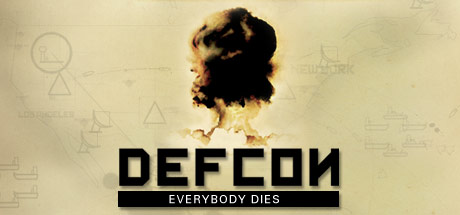
Inspiration from WarGames: Multiple reviews highlight the game's strong inspiration from the 1983 movie 'WarGames', referencing its themes and aesthetics. This connection is a recurring point across several clusters.
Small but loyal community: The multiplayer population is small due to the game's age, but remaining players are loyal and organized through Discord. Some players have been active for over a decade.
Developer Introversion Software: The game is consistently attributed to developer Introversion Software, with some noting the studio's decline over time. This is a common factual reference in reviews.
Aesthetic simplicity and depth: Despite its simple graphics and visuals, the game is praised for its deep strategic gameplay and abstract representation of nuclear war. The minimalist style is effective.
Soundtrack enhancing atmosphere: The soundtrack, especially the track 'Fear', and sound effects like crying and sobbing contribute significantly to the game's emotional impact. Music is a key element of the experience.