- Kiryu's saga conclusion highly praised
- Dragon Engine enhances gameplay experience
- Strong combat and engaging side content
- New setting adds unique charm and appeal
- Story and character arcs feel weak, rushed
- Technical issues and unpolished performance
Emotions
What players like:
Common complaints:
Gameplay feedback:
Performance notes:
Recommendations:
Other player notes:
Similar games
Blend with other games 88%Like a Dragon Gaiden: The Man Who Erased His Name
 87%Yakuza Kiwami 2 (Legacy)
 86%Like a Dragon: Infinite Wealth
 85%Yakuza 0
 84%Yakuza Kiwami (Legacy)
 83%Yakuza 5 Remastered
 83%Yakuza Kiwami 3 & Dark Ties
 83%Yakuza: Like a Dragon
 82%Yakuza Kiwami 2
 80%Like a Dragon: Ishin!
 79%Yakuza 3 Remastered
 78%The Legend of Heroes: Sen no Kiseki II KAI -The Erebonian Civil War-
Review evidence
Why players say this
Review evidence
Why players say this
What players like
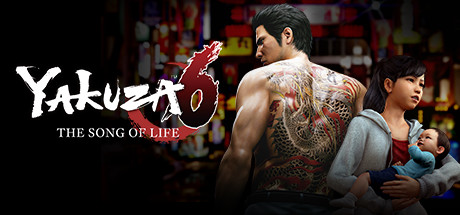
Kiryu's saga conclusion praised: Players widely appreciated the emotional and well-crafted ending to Kiryu's story arc, calling it a perfect and heartfelt closure. The narrative was seen as a fitting farewell to the iconic protagonist, with strong character development and themes of family and sacrifice.
Dragon Engine enhances experience: The introduction of the Dragon Engine was celebrated for its graphical upgrades, smoother combat, and immersive environments. Players noted significant improvements in visual fidelity, physics-based combat, and overall gameplay fluidity compared to previous entries.
Strong combat and gameplay: Combat was frequently highlighted as refined, satisfying, and dynamic, with a focus on physics-based interactions and fluid animations. Players enjoyed the street-fight feel, parry mechanics, and the removal of handheld weapons, which returned the series to its brawling roots.
New setting adds charm: The shift from Kamurocho to Onomichi and Hiroshima provided a refreshing and immersive backdrop. Players appreciated the rural, seaside charm of Onomichi, which contrasted well with the urban grit of previous locations and enhanced the game's atmosphere.
Character development shines: New and returning characters, particularly the Hirose family and Kiryu's relationships, were lauded for their depth and emotional impact. Players appreciated the focus on Kiryu's vulnerability and the well-developed antagonists, which added richness to the story.
Common complaints
Weak and rushed story: The narrative is described as the weakest in the series, with poor pacing, underdeveloped plot points, and a lack of surprises. Players feel the story is rushed, lacks depth, and fails to deliver a satisfying conclusion to Kiryu's arc.
Poor character arcs and choices: Key characters like Haruka and Kiryu are criticized for poorly written arcs, questionable decisions, and lack of development. Players feel the handling of these characters undermines the emotional impact of the story.
Outdated gameplay and content: Players criticize the game for feeling outdated compared to newer entries, with limited gameplay mechanics, fewer explorable cities, and missing beloved features like the typewriter sound effects. The combat and side content are also seen as inferior to previous titles like Yakuza 0 and Kiwami 2.
Unpolished Dragon Engine: The new engine is described as flawed, with issues like janky physics, longer load times, and poor optimization. Players feel the engine was rushed and lacks the refinement seen in previous titles.
Reduced map and exploration: Kamurocho and other areas feel smaller and more restricted, with fewer things to do. Players note that large portions of the map are cut or underdeveloped, limiting exploration.
Gameplay and performance
Rich Side Content & Minigames: The game features a vast array of minigames (e.g., karaoke, fishing, baseball, Clan Creator) and side quests with full voice acting, enhancing replayability. These activities are deeply integrated into the narrative and exploration.
Kiryu-Centric Story Closure: The narrative focuses on Kazuma Kiryu’s final saga, emphasizing character-driven storytelling, family themes, and a revenge-driven plot. The game serves as a conclusion to his arc with cinematic storytelling techniques.
Clan Creator Mini-Game: A turn-based/RTS hybrid minigame where players manage a clan, recruit members, and engage in strategic battles. It includes a dedicated story and ties into side content.
Simplified Progression System: Replaces traditional leveling with an XP-based system, allowing players to upgrade stats (e.g., strength, agility) via combat, minigames, and side quests. This streamlines character growth compared to earlier entries.
Exploration of Dual Cities: Players explore Kamurocho (urban) and Onomichi (rural), with interconnected maps offering side stories, collectibles (e.g., cats), and environmental interactions. The open-world design encourages discovery.
Visual and technical artifacts: Screen tearing, jagged edges (anti-aliasing), and minor visual artifacts persist across platforms. While not game-breaking, they reduce polish and visual fidelity.
PC and high-end performance: The PC version supports higher frame rates (e.g., 120fps) and resolutions (e.g., 4K 60FPS on RTX 3080) but suffers from frame drops, visual aliasing, and inconsistent optimization. Steam Deck performance is mixed, with FPS adjustments needed.
Movement and combat feel: Movement feels slippery or imprecise, and combat difficulty may be affected by the new engine. Some players attribute this to optimization or design choices.
Hit registration and FPS issues: Uncapped FPS leads to hit registration problems, while some scenes struggle to maintain 60 FPS. These issues are more pronounced on PC but affect overall combat fluidity.
Physics and animation glitches: Enemies and NPCs exhibit janky physics, including ragdoll issues (e.g., flying when hit) and mid-animation freezes. Boss fights and combat are particularly affected by these bugs.
Recommendations
Ideal for series fans, not newcomers: While the game is praised as a must-play for long-time fans, it is often noted as a poor starting point due to its reliance on prior story context and complex gameplay mechanics.
Play earlier games first: Reviewers consistently recommend playing previous entries (e.g., Yakuza 0, Kiwami 1-2) for full narrative and emotional impact, as this game serves as a conclusion to Kiryu's story.
Best on sale or discount: The game is frequently recommended as a purchase during promotions, especially for those completing Kiryu's saga or fans of the series, due to its shorter length and niche appeal.
Strong narrative-driven recommendation: The game is highly recommended for its emotional storytelling, character depth, and satisfying conclusion to Kiryu's saga. Fans of narrative-driven experiences or the Yakuza series are particularly encouraged to play.
Diverse side content enhances value: The game's rich side activities, mini-games, and fully voice-acted substories are highlighted as key strengths, adding significant replay value and immersion.
Platform notes
Steam Deck: User feedback on the Steam Deck experience for *Like a Dragon 8* reveals a mixed but generally playable performance. While the game runs well for many users at medium settings, notable technical barriers include battery drain, stability issues (e.g., crashes and frame drops), and controller disconnection problems. Optimization issues like aliasing and performance drops in certain scenes require manual workarounds, such as adjusting resolution or using third-party tools. Despite these challenges, the game is largely functional without requiring Proton Experimental or external launchers, though the friction points detract from a seamless experience.
Extra review signals
Monetization: The monetization strategies in *Yakuza Kiwami 2* and its associated content exhibit several predatory practices. The most severe issue is the pay-to-win mechanics in the *Kiryu Clan* DLC, which provides tangible gameplay advantages, creating an unfair experience for players who do not purchase it. Additionally, the game employs confusing monetization methods, such as requiring players to input external codes or purchase DLC for advantages, which adds frustration and redundancy. Day-1 DLC with a cut content feel and the aggressive monetization of nostalgia further contribute to a negative perception of the game's monetization model.
Other review notes
Dragon Engine praised technically: Players frequently highlight the Dragon Engine as a well-developed and positive technical aspect of the game, contributing to smooth gameplay and visual fidelity. This feedback is consistent and specific to the engine's performance.
Yakuza game rankings debated: Many reviews compare this entry to other Yakuza games (e.g., Yakuza 7, Gaiden, 8), often ranking them by personal preference. This reflects the franchise's strong identity and fan engagement.
Dialect translation choices noted: The use of regional dialects in subtitles is a recurring topic, with players acknowledging the effort or critiquing its execution. Achievement completion (e.g., '全成就达成') is also mentioned alongside this.
Kiryu's farewell unresolved: Players express frustration over the recurring theme of 'saying goodbye to Kiryu' without narrative closure, suggesting this is a long-standing issue in the series' storytelling.
US OST criticized: The soundtrack in the US version receives consistent criticism, with players feeling it falls short of expectations compared to the original or other regional releases.