- Enjoyable building and renovation gameplay
- Authentic 1980s UK setting
- Satisfying building mechanics
- Insufficient and repetitive content
- Numerous game-breaking bugs reported
- Developer abandonment concerns
Emotions
What players like:
Common complaints:
Gameplay feedback:
Performance notes:
Recommendations:
Other player notes:
Similar games
Blend with other games







Review evidence
Why players say this
Review evidence
Why players say this
What players like
Highly enjoyable and charming gameplay: Players consistently praise the game for its initial enjoyment, unique charm, and addictive qualities. Many find it a relaxing and fun experience, especially for casual play, with some noting its improvement over time.
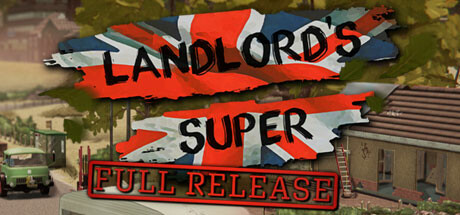
Authentic 1980s UK setting: The game excels at capturing the authentic atmosphere of 1980s Britain, including its unique humor and social nuances. This setting resonates strongly with players, particularly those familiar with the era, offering a nostalgic and immersive experience.
Satisfying and realistic building mechanics: The building mechanics are a standout feature, offering a satisfying and realistic hands-on experience, especially the brick-by-brick construction. Players appreciate the freedom and detail in the building system, finding it rewarding and well-implemented.
Superior to other renovation games: Many players consider this game superior to other house renovation simulators like House Flipper, citing its deeper engagement with a single property and greater potential for a rich, immersive experience.
Minimal bugs and quick fixes: Players report a largely bug-free experience, with no major game-breaking issues. The developers are also noted for their responsiveness in quickly addressing any minor bugs that do arise.
Common complaints
Insufficient and repetitive content: The game is criticized for its significant lack of content, leading to repetitive and unengaging gameplay. Players quickly run out of meaningful activities after building the first house, and the promised gameplay loop of managing multiple properties is absent, making the game feel unfinished and shallow.
Numerous game-breaking bugs: Players report a high number of bugs and glitches, ranging from minor UI issues to game-breaking problems that cause loss of progress or soft-locks. Some specific examples include missing floors, character spinning, and objects disappearing or glitching.
Developer abandonment concerns: Many players believe the game has been abandoned by its developers, citing a lack of updates and unaddressed issues. This leads to a perception that the game is unfinished and will not reach its full potential.
Poor in-game instructions: Players find the game lacks clear instructions and guidance, making it difficult to understand objectives and mechanics. This absence of 'hand-holding' leads to confusion, especially at the start of the game.
Frustrating wheelbarrow mechanics: The wheelbarrow mechanic, crucial for material transport, is widely criticized for being clunky, difficult to use, and time-consuming. Issues include awkward item placement and a lack of upgrade options.
Gameplay and performance
Core House Building & Renovation: The core gameplay loop involves starting with nothing, acquiring a dilapidated property, and then renovating or building a house from scratch. Players must earn money through various means to fund their construction projects and eventually rent or sell the property.
Limited Job & Income Sources: Players can earn money through various jobs around town, such as handyman tasks or collecting and selling scrap. While these jobs provide initial income, the limited variety and repetitive nature of repeatable tasks can become monotonous.
Landlord & Property Management: The game's landlord mechanics involve renting out properties and managing tenants. However, a significant limitation is the inability to own multiple properties simultaneously, requiring players to sell or delete existing ones to start new projects.
Unique Life Simulation Mechanics: The game incorporates unique life simulation elements, including managing personal needs like hygiene and bladder, and engaging in activities like gambling or claiming benefits. Players also start with significant debt, adding to the challenge.
Tenant Damage & Repairs: A recurring issue is that tenants, particularly low-income ones, frequently damage the rented property, necessitating constant repairs and maintenance from the player.
Technical issues and bugs: Players are experiencing various technical issues, including noticeable frame rate drops during gameplay and specific environmental bugs like traffic freezing during snowfall. These issues detract from the overall experience.
Frequent bug patching: The development team is actively releasing patches to address reported bugs. This indicates a commitment to improving game stability and responsiveness to player feedback.
Recommendations
Highly Recommended Game: Many players highly recommend the game, praising its unique qualities and potential. They find it enjoyable for extended periods and believe it offers good value, especially for those who appreciate its specific niche or are looking for something different.
Buy On Sale: A significant portion of the feedback suggests that the game is best purchased during a sale due to its current state or price point. Some players cannot recommend it at full price, while others advise waiting for bug fixes before buying.
Good For Builders: The game is recommended for players who enjoy building, resource management, and problem-solving. It appeals to those who like the idea of being a builder or landlord, despite some initial caveats.
Hope For Future Content: Players express a positive outlook on the game's future, hoping for continued developer support, bug fixes, and the addition of more diverse content. They are eager to see how the game evolves.
Humorous Niche References: These points appear to be humorous or niche references, likely inside jokes or specific cultural references related to the game's theme, and do not provide constructive feedback.
Other review notes
Early Access feel, high potential: Players frequently mention that the game, despite being released as version 1.0, feels like an early access or alpha build. They see significant potential for growth and expect future content additions and improvements to flesh out the experience.
Empty, barren game world: A common criticism is the emptiness of the game world. Players note the small, barren play space, the lack of NPCs, and the feeling of the town being a 'ghost town,' which detracts from immersion.
Developer's small team, past issues: Players acknowledge the developer's small team size and past projects, suggesting that resource limitations might contribute to the game's current state and the perceived 'jankiness' of their titles.
Open to modding community: Some players suggest that the developer should open the game to the modding community to help complete or expand the game, implying a belief that external contributions could enhance its development.
Request for development roadmap: Players are looking for a clear roadmap from the developers, outlining future updates and planned content, to better understand the game's development trajectory.