- Unique alternate history WW1 setting.
- Engaging gunplay with varied enemies.
- Significant content removed, feels downgraded.
- Weak story, lacking player immersion.
- Dated presentation and unpolished mechanics.
- Short campaign length offers poor value.
Emotions
What players like:
Common complaints:
Gameplay feedback:
Performance notes:
Recommendations:
Other player notes:
Similar games
Blend with other games




Review evidence
Why players say this
Review evidence
Why players say this
What players like
Significant improvements over original: Players widely commend the game for its vast improvements over the original Iron Storm, particularly in difficulty balancing, graphics, and overall polish. It feels more dynamic, forgiving, and removed frustrating mechanics, leading to a much more enjoyable and refined experience.
Enduring appeal and nostalgia: The game is frequently praised for its general fun factor and ability to evoke childhood nostalgia. Many found it to have aged well, offering a simple, engaging "boomer shooter" experience that remains enjoyable for casual play today, especially considering its price.
Captivating alternate history setting: The game's unique alternate World War I setting, extended into the 1960s with dieselpunk aesthetics and brutalist design, is a major highlight. This rich lore, gritty atmosphere, and interesting weapon/enemy designs create a highly immersive and appealing world.
Stable and runs well: Reviewers were impressed by the game's surprising stability, reporting very few bugs or crashes. It is noted for running smoothly on modern hardware, making it easily accessible and playable without technical hassle.
Engaging, balanced gunplay: The game delivers pure, fast-paced shooting action with a comprehensive and improved arsenal. Its balanced mechanics and fluid gunplay are reminiscent of classic FPS titles, providing a consistently satisfying combat experience.
Common complaints
Fails compared to original/peers: A consistent point of criticism is that the game (especially the remaster/port) fails to live up to its predecessor, Iron Storm, or contemporary shooters like Half-Life, Call of Duty, or Medal of Honor. Many felt it was a 'demake' that removed core features, lost the original's charm, and offered a significantly inferior experience in terms of content, difficulty, and overall quality.
Significant content removed/downgraded: The game, particularly the remastered or ported version, is heavily criticized for removing substantial content from the original or prior iterations (Iron Storm). This includes numerous cutscenes, boss fights, multiplayer, a quicksave feature, specific weapons, and even core mechanics like a third-person mode or hotkey weapon selection, leading to a shortened and confusing experience.
Game feels dated and unpolished: Many players found the game to be visually unattractive, graphically dated, and lacking in overall polish, even for its release era. The general gameplay experience was described as boring, bland, janky, and generic, often failing to compete with contemporary titles of its time.
Weak story and lack of immersion: The game's narrative was frequently described as confusing, underdeveloped, or almost non-existent, making it difficult for players to stay invested. The interesting alternate history setting was not fleshed out, and the game failed to immerse players from the beginning or adequately introduce characters and plot points.
Flawed gameplay mechanics and design: Players reported issues with fundamental gameplay mechanics, including the effective removal or poor implementation of stealth, clunky controls, and an often-criticized enemy AI. Level design was frequently described as poor, repetitive, linear, barren, or fragmented by loading screens, making combat and navigation unsatisfying.
Gameplay and performance
PS2 Port of Iron Storm: World War Zero is a PC port of the PlayStation 2 version of Iron Storm, a 2002 PC game. This port simplified gameplay, adjusted levels, and reduced the overall difficulty significantly compared to the original hardcore shooter.
Short, Linear, Easy FPS: The game offers a very short campaign, completable in 2-6 hours, featuring a linear, corridor-style level design. Its difficulty is generally low, catering to casual players, and it lacks modern FPS features like health regeneration or weapon upgrades, typical of early 2000s console shooters.
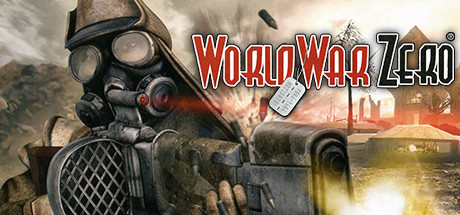
Unique Alternate WW1 Setting: The game is set in an alternate 1960s where World War I never ended, evolving into a continuous conflict fueled by propaganda and war profiteering. Players engage in trench warfare against unusual Soviet-like soldiers and utilize advanced weaponry like helicopters and jet planes within this retro-futuristic backdrop.
Varied Enemy Encounters: Players face a range of enemies, including soldiers from different factions and stationary turrets. Later levels introduce heavier enemy types like grenade launcher carriers, and players occasionally get to control turrets and tanks in combat.
Classic FPS Design Elements: The game features old-school mechanics such as the ability to carry a wide arsenal of weapons simultaneously, from shotguns to flamethrowers, and offers run-and-gun gameplay without aim-down-sights. Progression is saved at specific computer terminals that also provide mission objectives and lore updates.
Modern hardware support mixed: While the remaster attempts to support modern resolutions out-of-the-box, players often need to manually cap FPS and force V-sync for smooth performance. The game, originally designed for lower resolutions like 480p, shows its age, with graphics not significantly improved in the remaster beyond resolution scaling.
Bloom lighting included: The game incorporates bloom lighting as a specific visual effect. This contributes to the overall aesthetic, though it's a minor detail in the context of broader graphical updates.
Recommendations
Recommended, especially on sale: Players largely recommend this game, particularly when purchased at a discount or during a sale. It's seen as offering a few hours of enjoyable retro FPS action for a low price, appealing especially to those familiar with older shooters or general FPS enthusiasts. Some suggest it's worth trying despite its flaws.
Niche appeal, consider alternatives: This game is described as having a very niche appeal, primarily to those interested in obscure, retro, or unique gaming experiences. For a general audience or new players, it's often not recommended, with suggestions to play more polished alternatives like Wolfenstein, Unreal, or Quake, or even to emulate the PS2 version for a better experience.
Good for mindless, casual fun: Some players suggest the game is suitable for those seeking a few hours of simple, 'brain-off' entertainment. It's recommended if you have some spare time and are looking to casually mow down enemies without much strategic thinking.
Recommend middle difficulty: One piece of feedback specifically advises players to select the middle difficulty setting, implying it offers the most balanced or enjoyable experience. This is a singular, specific gameplay tip.
Other review notes
Nostalgic, re-released cult classic: The game, originally titled 'Iron Storm' from 2002, evokes strong nostalgia for many players who encountered its various PC and PS2 versions. Its re-release on Steam, making it more accessible (as the PC CD version was previously UK-only), is appreciated by those remembering it from their youth, despite its age and original OS requirements.
Very short campaign: Players consistently report the game's campaign is exceptionally short, with most completing it within 2-4 hours, even on maximum difficulty. This suggests a lack of content, potentially impacting perceived value.
Unresolved ending, sequel desired: The game's ending left many players with unresolved questions, leading to a strong desire for a sequel or a modern engine reboot to fully realize its potential. However, players acknowledge that a new entry in the series is unlikely, especially given the developer's (Rebellion) focus on other franchises like Sniper Elite.
Distinctive alternate history setting: The game features a unique aesthetic that blends World War I trench warfare with advanced technology like helicopters and power armor, creating an intriguing alternate history setting. The narrative involves an Allied soldier battling a Warhammer-esque Russo-Mongolian Empire, contributing to its unique identity.
Compared to stronger period titles: While acknowledged as a 'decent old shooter' by some, many players suggest that other titles from the same era, such as Painkiller or Serious Sam, offered a superior gameplay experience. 'Bet On Soldier' is frequently mentioned as a spiritual successor and alternative for those seeking a similar, potentially less 'broken' experience, with the story sometimes requiring external context.