- Unique twist on classic brick-breaker gameplay
- Engaging and varied gameplay mechanics
- High replayability with strong value
- Well-executed retro aesthetics and humor
- Local co-op and multiplayer support
- Frustrating difficulty and repetitive moments
Emotions
What players like:
Common complaints:
Gameplay feedback:
Performance notes:
Recommendations:
Other player notes:
Similar games
Blend with other games





Review evidence
Why players say this
Review evidence
Why players say this
What players like
Engaging and varied gameplay: Players consistently highlight the game's addictive and fun gameplay, praising its variety in levels, power-ups, enemies, and bosses. The blend of RPG elements, adjustable difficulty, and unique mechanics like ball speed control keeps the experience fresh and engaging. The game successfully balances challenge and leniency, making it enjoyable for a wide range of players.
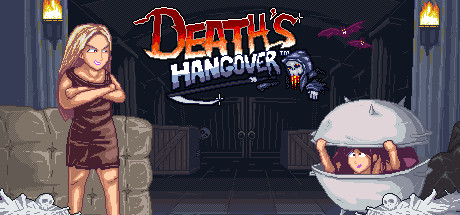
Well-executed retro aesthetics: The pixel art, graphics, and sound design are consistently praised for their quality and nostalgic appeal. The retro-style visuals, MIDI soundtrack, and arcade-like sound effects enhance the game's atmosphere and fit its tone perfectly. The art style is described as charming, well-crafted, and visually appealing, evoking the feel of classic games from the SNES/Mega Drive era.
High replayability and value: The game offers significant replay value through multiple endings, difficulty modes, secret areas, power-ups, and local co-op. Players also appreciate the inclusion of achievements, trading cards, and a level editor. The low price point during sales is frequently cited as a major selling point, with many players feeling it offers great value for money.
Strong humor and storytelling: The game's writing, humor, and story are frequently mentioned as standout features. Players enjoy the dark, absurd, and satirical comedy, as well as the engaging narrative that ties the gameplay together. The humor is described as cringe-worthy, witty, and memorable, adding charm and personality to the experience.
Local co-op and multiplayer: The inclusion of local co-op and multiplayer modes is appreciated by players, as it adds a social and competitive element to the game. The two-player mode, which replaces the second paddle with a shooting figure, is noted as a fun and unique feature that enhances replayability.
Common complaints
Weak and unengaging story: The story and dialogue are widely criticized as dull, immature, and disruptive to gameplay. Players find the humor inconsistent, the plot underdeveloped, and the characters unappealing. The story mode is seen as redundant compared to arcade mode, offering little new content.
Poor game design and mechanics: Numerous design flaws are highlighted, including clunky mechanics, repetitive gameplay, and poorly balanced power-ups. Issues like soft-locking, unfair hitboxes, and unpredictable ball physics further detract from the experience. These problems undermine the game's core mechanics and replayability.
Frustrating and unfair difficulty: Players frequently mention unfair difficulty spikes, poorly designed boss fights, and mechanics like instant death or fluctuating boss difficulty. The reliance on luck over skill in later levels and the loss of progress due to cheap deaths contribute to frustration. This is a core gameplay issue affecting player enjoyment.
Technical and visual shortcomings: The game suffers from technical issues like bugs, crashes, and poor collision detection. Visuals are described as outdated, unpolished, and aesthetically weak, particularly in cutscenes. Resolution changes during gameplay are also noted as unintuitive and frustrating.
Repetitive and grindy gameplay: The game is criticized for being grindy and repetitive, with limited incentives to play on higher difficulties due to RNG elements. Achievements and collectibles are seen as tedious, and the lack of replayability beyond exploring paths and endings is noted.
Gameplay and performance
Core Arkanoid-style gameplay loop: The game revolves around a classic brick-breaker/Arkanoid mechanic, where players use a paddle and ball to break blocks, defeat enemies, and progress through levels. Progression is tied to breaking doors or defeating enemies to advance, with boss fights at the end of each section. This core loop is consistent and well-defined, forming the backbone of the experience.
Soul collection and progression system: Souls serve as a key resource, used for unlocking secrets, gaining power-ups, or continuing after death. Players collect souls by breaking specific boxes or defeating enemies, and they can be spent in a mini-game (e.g., roulette) for rewards. This system adds a layer of risk-reward and progression to the gameplay.
Diverse power-ups and abilities: The game offers a wide variety of power-ups, including multi-ball, bombs, fireballs, and sticky balls, which enhance gameplay variety and player agency. Players can hold and switch between two power-ups, allowing for strategic customization. This feature is highly praised for adding depth to the core mechanics.
Dark theme and narrative context: The game adopts a dark, supernatural theme centered around Dracula's castle, with pixel art graphics and a humorous narrative involving two warriors resurrected in women's bodies to retrieve stolen souls. The story and setting provide a cohesive backdrop for the gameplay, though it is not the primary focus.
Lack of genre innovation: The game is praised for incorporating the best elements of the Arkanoid genre but does not introduce significant new mechanics. Players who enjoy classic brick-breaker games will find it familiar, though those seeking innovation may be disappointed. This is noted as a limitation rather than a flaw.
Shallow audio design: Players frequently mention that the sound effects and soundtrack lack depth, variety, or emotional impact. This feedback suggests the audio experience feels underdeveloped or generic, failing to enhance immersion or gameplay.
Recommendations
Highly recommended on sale: The majority of reviewers emphasize that the game is worth purchasing, but primarily during sales or at a significantly reduced price (e.g., under $1 or £1). Many highlight its short completion time and value as a casual, time-passing experience. This feedback is constructive and specific, focusing on pricing and replayability.
Mixed reception on humor: A few reviewers mention the game's humor as a polarizing factor—some enjoy it for lighthearted fun, while others criticize it as immature. This feedback is less frequent but notable for its impact on player enjoyment. Importance is lowered due to subjectivity.
Ideal for brick-breaker fans: Reviewers consistently recommend the game to fans of the brick-breaker/Arkanoid genre, praising its unique style, modern twists, and nostalgic appeal. The feedback is specific to gameplay preferences and genre enthusiasts, making it highly actionable for targeted marketing or development.
Strong value at full price: A subset of reviewers argue the game is worth its full price (e.g., $4.99), citing its quality, fun factor, and unique experience. While less frequent than sale recommendations, this feedback highlights the game's perceived value among satisfied players.
Other review notes
Accessible without localization: The game lacks Japanese localization but uses simple English, making it accessible to most players. Cut-scenes explain the story through text, though no audio is included, which may limit immersion for some.
Mixed reception on quality: While some players describe the game as enjoyable and well-made for its genre, others dismiss it as poorly constructed. This polarization suggests the game may appeal strongly to niche audiences but fail to impress broader audiences.
Bizarre and adult-themed story: The narrative involves two male characters sent to hell and reincarnated as females, with a blood-themed horror aesthetic. The story is described as bizarre and may cater to a specific adult-oriented audience, which could polarize players.
Unique retro aesthetic and humor: The game is recognized for its retro style, artistic design, and humorous tone, which aligns with the developer's signature approach. However, the humor may not appeal to everyone, as some players suggest watching let's plays to gauge interest.
Fun but niche distraction: The game is described as a fun little distraction, particularly for fans of retro-style games or specific genres. However, its appeal may be limited to a niche audience, as suggested by the mixed feedback.