- Deep, strategic, and addictive gem-based tower defense
- Innovative gem combination and customization system
- Robust progression offers extensive replayability
- Atmospheric dark-fantasy setting
- Gameplay can become grindy and repetitive
- Late-game performance and lag issues reported
Emotions
What players like:
Common complaints:
Gameplay feedback:
Performance notes:
Recommendations:
Other player notes:
Similar games
Blend with other games





Review evidence
Why players say this
Review evidence
Why players say this
What players like
Deep, Strategic, and Addictive Gameplay: Players consistently praise the game's intricate strategic depth, high difficulty that scales well, and engaging progression systems. The core gameplay loop is highly addictive, offering hundreds of hours of content and rewarding careful planning, making it immensely satisfying for dedicated players.
Exceptional Tower Defense Experience: Many players consider this game to be a masterpiece and the golden standard in the tower defense genre. Its unique mechanics and expansive nature elevate it beyond typical tower defense games, often cited as one of the best, if not the best, in the genre.
Innovative Gem Combination System: A standout feature is the unique and complex gem fusion and combining mechanic. This system offers incredible flexibility in defense building, allowing players to experiment with mixed gem types and placements, which keeps gameplay fresh and strategically deep.
Robust Progression and Customization: The game features a rich meta-game with an extensive skill tree, permanent buffs, and a 'Talisman' system. These RPG-like elements allow for diverse build variety, playstyle specialization, and endless content, significantly enhancing replayability and long-term engagement.
Atmospheric Dark-Fantasy Setting: Despite minimalist graphics, the game creates a strong, mysterious, and dark fantasy atmosphere through its art style, ambient soundtrack, and intriguing lore. This unique aesthetic reinforces the grim world and contributes to an immersive experience.
Common complaints
Grindy and Repetitive Gameplay: Many players find the game becomes tedious and boring quickly, especially in the mid to late game. The high number of levels, slow progression, and similar stages contribute to a repetitive experience that feels like a chore rather than fun.
Steep and Punishing Difficulty: The game presents a steep learning curve and high difficulty, especially in the middle sections and specific modes like 'V' maps, Iron Wizard, and Vision Fields. This can be intimidating and frustrating for casual players, demanding significant patience and experimentation.
Overly Complex Gem Mechanics: The gem combining rules and variety of gem stats are perceived as overly complex, almost like a spreadsheet. This leads to a lack of meaningful choice, as specific gem combinations (e.g., crit + mana multiplier) often overshadow others, making many gems feel irrelevant or underpowered.
Performance and Lag Issues: The game suffers from significant performance drops and lag, particularly in later stages or when many units, particles, and effects are on screen. This is often attributed to the game being built in Flash, leading to a sluggish experience during intense moments.
Dated Graphics and Art Style: The game's visuals are consistently described as weak, primitive, and outdated, even for its release year. This often deters new players and contributes to a less engaging aesthetic compared to other modern tower defense games.
Gameplay and performance
Deep Gem-Based Tower Defense: The core gameplay revolves around a unique gem system where different colored gems with distinct properties are combined, upgraded, and strategically placed into towers, traps, or amplifiers. This system allows for diverse tactics, customization, and significant depth in gameplay.
Varied Difficulty & Replayability: The game offers multiple difficulty levels, custom difficulty modifiers (battle traits), and an 'Endurance Mode' for most levels, extending gameplay indefinitely. There's also a challenging 'Iron Wizard Mode' with different rules and unique 'Vision Fields' offering specific challenges.
Extensive Progression & Customization: Players progress through an experience and skill point system, unlocking passive abilities and spells. Further customization is available through collectible talismans, skill trees, and battle traits, allowing players to tailor their wizard and gameplay style.
Strategic Resource Management: Mana is a crucial resource used for building, upgrading gems, and also functions as the orb's health. Players can manage mana strategically by calling waves early or enraging monsters for greater gains, adding another layer of decision-making.
Maze Building & Map Strategy: Players can construct towers and traps on any free spot, often allowing for maze building to optimize damage. Strategic placement and understanding map layouts are essential for maximizing gem effectiveness and overall defense.
Late-game performance issues: Players frequently experience significant slowdown and lag during later stages and endurance levels, particularly when many enemies, particles, and effects are on screen. This issue is exacerbated by enraging waves and high monster/beacon counts.
Flash-based engine limitations: The game's underlying Flash engine is cited as a primary reason for performance bottlenecks, especially when many entities are rendered simultaneously. This contributes to sluggishness.
Generally stable early game: Despite late-game issues, many players report that the game runs smoothly and well in its earlier stages, with few crashes observed.
Single-core and FPS lock: The game's limitation to a single processor core and a 30 FPS cap (which can drop significantly) contribute to performance problems, especially when the game is under heavy load.
Community performance patch available: A community-developed GitHub patch (GCCS-Performance-Patch) is available and reported to help alleviate late-game lag, indicating a known and addressed issue by the player base.
Recommendations
Highly Recommended TD Game: The game receives overwhelmingly positive recommendations, especially for fans of the Tower Defense genre. Many consider it a must-play, with some even calling it one of the best TD games ever made, offering deep strategy and high replayability.
Target Audience: Hardcore TD Players: This game is particularly recommended for players who enjoy challenging, in-depth Tower Defense experiences, grinding, min/maxing strategies, and dark fantasy themes. It may not be suitable for casual players.
Consider Purchase During Sale: While generally considered worth its price, many players suggest buying the game when it's discounted, especially during Steam sales, to get even greater value.
Try Previous Games/Demos First: Players are advised to try the free online versions or previous games in the Gemcraft series before purchasing, especially to see if the complex TD style suits them.
Don't Overthink Early Stages: Players are encouraged not to get overly invested in the storyline, avoid grinding for end-game content prematurely, and to simply have fun or even restart if initially discouraged.
Other review notes
Flash Game Origins: Many players recall the game's roots as a popular Flash game, often played on platforms like Armor Games or Kongregate. This legacy contributes to a strong sense of nostalgia and is a key reason many bought the Steam version.
Extensive Playtime & Depth: Players consistently report the game offers a massive amount of content, easily exceeding 100 hours for completionists and dedicated players. Its depth and numerous achievements require significant time investment, making it unsuitable for casual gaming sessions.
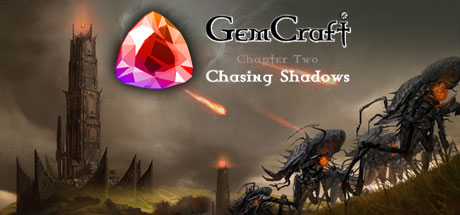
Part of a Series: The game is identified as the fourth installment in the 'GemCraft' series, with players expressing familiarity with previous titles like 'GemCraft Labyrinth'. There's a desire for other GemCraft titles to be brought to Steam.
Mixed Review & Value: While generally positive, some aspects of the game are less enjoyable than others. The game is considered good value given the potential hours of gameplay, especially considering its niche genre.
Support for Developers: Many players purchased the Steam version to support the developers, having enjoyed previous free versions of the game. This shows a loyal fanbase willing to contribute financially.