- Fun, enjoyable, and high-quality experience.
- Well-developed and engaging new characters.
- Engaging story with improved writing quality.
- Generally recommended, especially for existing fans.
- Missing features significantly degrade the experience.
- Exploration feels unrewarding and buggy.
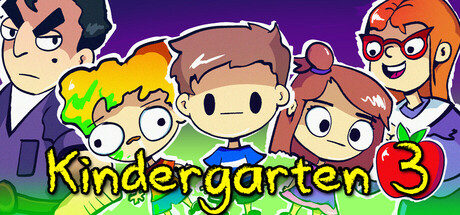
What players like:
Common complaints:
Gameplay feedback:
Performance notes:
Recommendations:
Other player notes:
Similar games
Blend with other games 84%Frog Detective 3: Corruption at Cowboy County
 84%Soul Mates
 84%Hello Neighbor 2
 83%Return to Shironagasu Island
 83%Poppy Playtime - Chapter 2
 83%The Last Campfire
 83%Smile For Me
 83%Monster Prom 4: Monster Con
 83%Dracula 2: The Last Sanctuary
 83%Deadly Premonition 2: A Blessing in Disguise
 82%Zero Escape: Zero Time Dilemma
 82%MUBOSAMA
Review evidence
Why players say this
Review evidence
Why players say this
What players like
Fun, enjoyable, and high-quality: The game is consistently praised for being fun, enjoyable, and maintaining the quality of previous installments. Reviewers highlight the humor, engaging gameplay, and overall positive experience, suggesting it lives up to expectations and even surpasses them.
Well-developed new characters: The game introduces new characters with unique personalities, histories, and goals, providing a refreshing take on the established formula. Fan favorites like Emma and Nugget are specifically highlighted, and all characters play a natural role in the adventure.
Engaging story and improved writing: The game features a well-received story with improved writing, clever dialogue, and character interactions. The narrative builds upon previous installments and fits well with the established lore, enhancing the overall experience.
Enjoyable puzzles and missions: Reviewers found the puzzles and missions enjoyable and challenging. Specific missions like Cold Blooded Killer and Emma's Garden were particularly well-received, and the game consistently improved with each mission.
Improved graphics and detail: The game features improved graphics, a beautiful art style, fitting music, and more detailed environments. The world feels more lived-in, with classrooms that tell a story, and the new location is fun to explore.
Common complaints
Missing features degrade experience: The game is criticized for removing or downgrading features present in previous installments, such as the money system, costumes, Monstermon battles, and original characters. This makes the game feel like a downgrade and less enjoyable compared to its predecessors, specifically Kindergarten 2.
Exploration feels unrewarding/buggy: The game is criticized for a lack of exploration rewards, linear level design and a lack of puzzles. Some reviewers also experienced bugs that prevented them from interacting with the world.
Overpriced for content offered: Several reviewers feel the game is overpriced for the amount of content it offers, especially when compared to previous installments. The short length and lack of replayability contribute to this sentiment.
Lacks innovation, feels stale: The game is criticized for lacking innovation and feeling too similar to previous entries in the series. Reviewers feel that the game doesn't offer enough new experiences or mechanics to justify its existence, especially considering the increased price.
Tone is too weird/violent: The game's narrative and world design are criticized for being too overtly weird and violent, diminishing the innocent mood found in previous games. The high level of violence and gore makes it unsuitable for children.
Gameplay and performance
Interconnected quests, resource management: The game features a puzzle/choose-your-own-adventure style gameplay loop where players gather resources (actors and props) and manage actions to progress through interconnected quests. Success in one quest provides items necessary for the next, creating an intermeshed experience.
Minor bugs, mostly visual: Some players encountered minor visual bugs, while others reported very few bugs overall. This suggests the game's stability is generally acceptable, but some players may experience minor issues.
Music stops abruptly with sounds: The game's music abruptly stops when other sounds occur, which some players find annoying, especially during the final mission. This negatively impacts the audio experience.
Recommendations
Generally recommended, especially for fans: Many reviewers recommend the game, especially to fans of the series, citing it as a worthwhile purchase and a fun experience. Some consider it the best in the trilogy, while others find it weaker than previous installments. Ratings are generally positive, but some suggest the price may be too high.
Missing costumes: One reviewer specifically mentioned the absence of costumes as a negative point, despite enjoying other aspects of the game. This is a minor point, but it's a specific piece of feedback.
Other review notes
Includes graphic, mature content: This point indicates the game contains mature themes and graphic content. The presence of blood, guts, and dead children suggests the game is not suitable for all audiences.
Increased game file size: The game's file size has significantly increased compared to previous installments. This could be due to increased content, improved graphics, or other factors.
Bandage persists after decapitation: This point highlights a specific, albeit minor, physics detail in the game. The persistence of a bandage on a headless body after an alligator attack is a quirky observation about the game's mechanics.
Missing previous game characters: The reviewer expresses nostalgia and fondness for specific characters from previous games in the series. This suggests that these characters were memorable and well-liked by players.
Curious about future content: The reviewer is curious about the content of the later days in the game. This suggests that the game has a structure that unfolds over time, and the reviewer is engaged and wants to see what comes next.