- Exceptional rhythm-action combat and unique concept
- Outstanding audio-visual presentation
- Charming characters and witty humor
- Gameplay can feel repetitive and shallow
- Frustrating platforming and traversal sections
- Challenging and unforgiving rhythm mechanics
Emotions
What players like:
Common complaints:
Gameplay feedback:
Performance notes:
Recommendations:
Other player notes:
Similar games
Blend with other games




Review evidence
Why players say this
Review evidence
Why players say this
What players like
Exceptional Gameplay & Unique Concept: Players overwhelmingly praise the game's core gameplay, highlighting its originality, fun factor, and addictive nature. The innovative blend of action, platforming, and rhythm mechanics is consistently cited as a major strength, making it a refreshing experience in the genre.
Seamless Rhythm Integration: The game's most distinctive feature is its masterful integration of rhythm into every aspect of gameplay, from combat and movement to environmental elements. Players find the rhythm-based mechanics incredibly satisfying, rewarding, and surprisingly accessible, even for those typically challenged by rhythm games.
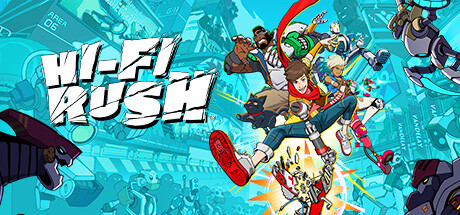
Outstanding Audio-Visual Presentation: The game receives widespread acclaim for its vibrant, unique, and stylish art direction, often compared to a high-quality animated cartoon or comic book. This visual flair is perfectly complemented by a phenomenal soundtrack, which is deeply integrated into the gameplay and enhances the overall immersive experience.
Charming Characters & Witty Humor: Reviewers consistently praise the game's cast of characters for being charismatic, well-written, and highly likable. The humor, often described as light-hearted, quirky, and genuinely funny, contributes significantly to the game's engaging narrative and overall positive atmosphere.
Pure Fun & Positive Experience: Many players describe the game as an absolute blast, providing immense joy and a refreshing escape from more serious titles. The game's ability to evoke constant smiles and a sense of pure fun, even for those not typically into its genres, is a recurring sentiment.
Common complaints
Repetitive and Shallow Gameplay: The core gameplay loop, including combat and traversal, was frequently described as boring, repetitive, and lacking depth. Players felt the game became stale quickly, with too many quick-time events (QTEs) and uninspired level design. This led to a lack of engagement and motivation to continue playing or explore post-game content.
Frustrating Platforming and Traversal: Many players found the platforming sections to be clunky, imprecise, and generally unenjoyable, often leading to frustration and a desire to quit. The jump mechanics were criticized for lacking precision, making it difficult to judge distances and landings, especially with keyboard and mouse controls. These sections often felt like tedious filler between combat.
Challenging and Unforgiving Rhythm Mechanics: The rhythm-based combat and parrying system proved to be a significant hurdle for many players, especially those without a strong sense of rhythm. Issues included difficulty in timing combos, parries, and special moves, often leading to frustration and a feeling of being constrained rather than empowered. The game's rhythm mechanics were seen as both its unique selling point and its biggest flaw.
Frustrating Combat Interruptions and Enemy Design: Combat was often interrupted by mandatory parry sequences, QTEs, and shielded enemies that required specific, often slow, ally attacks. This broke the flow of combat and led to frustration, especially when dealing with multiple enemies or bosses. The lack of a lock-on feature and chaotic visual effects further hindered combat readability and enjoyment.
Weak and Predictable Story/Characters: The narrative was widely criticized for being childish, predictable, and clichéd, with many players finding the characters, especially the protagonist Chai, annoying and unlikable. The story lacked depth, meaningful twists, and failed to create a strong emotional connection or investment, often feeling like generic corporate satire.
Gameplay and performance
Rhythm-Action Combat Core: The game uniquely blends hack-and-slash action with rhythm game mechanics, where nearly all actions—attacks, dodges, parries, and even environmental elements—are synchronized to the music's beat. While rewarding precise timing for increased damage and points, the game remains accessible and forgiving, allowing players to progress even without perfect rhythm, especially on lower difficulties.
Innovative & Accessible Design: The game is praised for its innovative gameplay that fuses rhythm and action, standing out from traditional hack-and-slash titles. It features extensive accessibility options, visual and audio cues to aid rhythm, and difficulty settings that cater to a broad range of players, from casual button-mashers to hardcore rhythm-action enthusiasts.
Replayability & Post-Game Content: Despite a main story that can be completed in 10-15 hours, the game offers significant replay value through multiple difficulty levels, New Game+ features, hidden collectibles, and various post-game modes like roguelike towers and BPM challenges. These elements encourage multiple playthroughs and provide a substantial challenge for completionists.
Linear Story & Level Structure: The game follows a linear narrative across 12 distinct levels, each with its own soundtrack. The story is generally simple and predictable but is delivered with humor and engaging characters. Levels combine arena-style combat with platforming and exploration segments, though some players found the platforming mundane or the overall level design repetitive.
Varied Combat & Progression: The combat system is deep and responsive, offering a wide array of combos, special attacks, and partner abilities that can be unlocked and upgraded throughout the game. While some players find chaining combos challenging, the system is designed to be both accessible for newcomers and complex enough for mastery, drawing comparisons to stylish action games like Devil May Cry.
Excellent Performance on Steam Deck: Players consistently report that the game runs exceptionally well on the Steam Deck, often achieving stable 60 FPS even on high settings. Controls are well-adapted, and battery life is reasonable, making it a highly recommended experience on the handheld.
Specific Lag/Bug Instances: While generally stable, a few specific instances of lag or bugs were reported, such as lag during a specific boss fight due to environmental elements, a glitch in Korsica's fight, and an issue requiring input settings adjustment during the Takehito fight. Most minor bugs can be resolved by reloading a save.
Low System Requirements: The game is noted for having very low system requirements, making it accessible to a wide range of PC users. While some suggest slightly better hardware than the minimum, it generally performs well even on older machines.
Minimal Loading Times: Players appreciate the game's minimal loading times, which contribute to a more seamless and uninterrupted gameplay experience.
Cutscene Frame Rate is Intentional: The 24 FPS frame rate in cutscenes is an artistic choice by the developers, not a performance issue.
Recommendations
Highly Recommended Experience: The overwhelming sentiment is that this game is a must-play, receiving high praise and strong recommendations from a vast majority of players. Many consider it a gem, worth both time and money, often suggesting it's one of the best games they've played.
Appeals to Diverse Players: The game is highly recommended for fans of rhythm and hack-and-slash genres, often compared to titles like Devil May Cry. Interestingly, many reviewers also suggest it to players who typically avoid rhythm games, highlighting its broad appeal and unique blend of mechanics.
Deserves a Sequel: A significant number of players express a strong desire for a sequel or similar games, indicating that the current experience left them wanting more. This suggests a high level of satisfaction and a belief in the game's potential for future installments.
Consider Full Price Purchase: While some suggest buying on sale, a notable portion of players believe the game is worth its full price. This indicates strong confidence in the game's value proposition, even without discounts.
Controller Play Recommended: Several players strongly advise using a controller for the optimal experience, noting it's significantly better than keyboard and mouse, especially for rhythm-based gameplay. This is a crucial tip for new players to fully enjoy the game's mechanics.
Other review notes
Unique and Vibrant Art Style: The game's distinctive American comic book art style is highly lauded for its beauty, vibrancy, and unique aesthetic. It creates an immersive experience, making players feel like they are interacting with a high-quality animated cartoon.
Engaging and Humorous Story: The game's story is consistently praised for its excellent humor, engaging plot, and lighthearted, heartwarming tone. Reviewers appreciate that it doesn't take itself too seriously, often poking fun at its own clichés.
Strong Desire for a Sequel: Players overwhelmingly express a strong desire for a sequel or more content, indicating high satisfaction with the game. Many lament the potential lack of a follow-up due to studio issues, while others are hopeful for future developments.
Unexpected Gem with High Quality: Many players were initially surprised by the game's quality, often discovering it without prior hype. It's frequently described as a 'gem' or a 'breath of fresh air,' showcasing high production values and a clear passion from the developers.
Studio Closure Controversy: There is significant regret and anger among players regarding Microsoft's decision to shut down Tango Gameworks. This sentiment is strong, with many feeling the studio deserved better given the game's success and quality.