- Unique puzzle game experience
- Extreme replayability and content
- Free base game with value
- Extreme difficulty and complexity
- Excessive time commitment required
- Dated and unappealing visuals
Emotions
Archetypes
What players like:
Common complaints:
Gameplay feedback:
Performance notes:
Recommendations:
Other player notes:
Similar games
Blend with other games




Review evidence
Why players say this
Review evidence
Why players say this
Steam review verdict
A uniquely replayable free puzzle game with immense content, but its extreme difficulty, steep time commitment, and dated visuals may deter casual players.
What players like
Unique puzzle game experience: Players describe the game as a unique and fun puzzle experience with strategy elements and RPG components. The game is praised for its clever design and engaging gameplay.
Extreme replayability and content: The game offers huge replay value due to its depth and complexity, allowing hundreds to thousands of hours of play. This is a highly praised aspect.
Free base game with value: The base game is free and provides substantial content, often described as hundreds of hours of quality gameplay. This is a major selling point.
Addictive and compelling gameplay: The game is described as extremely addictive, fun, and compelling, drawing players in for long sessions. This feedback is common across many clusters.
Excellent metaprogression system: The meta-progression loop is challenging, rewarding, and well-thought-out, adding significant depth to the game. Players find it compelling.
Common complaints
Extreme difficulty and complexity: The game is brutally difficult, requiring heavy calculation, trial-and-error, prior route knowledge, and community guides. Even easy stages are hard, and the difficulty score is deceptive.
Excessive time commitment required: The game demands a huge amount of time, with single runs taking several hours, frequent replaying, and a low enjoyment-to-time ratio. It is described as a dangerous time sink.
Pricing model is confusing: The pricing model is described as silly, ridiculous, and insane, with high costs for expansion DLC and general overpricing. Players also mention a fear of missing out and the model being detrimental for latecomers.
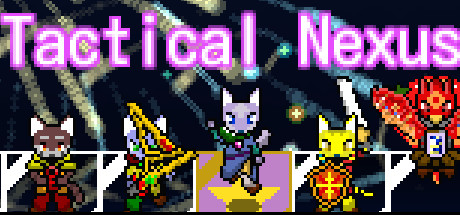
Dated and unappealing visuals: The graphics are described as not great, juvenile, amateurish, grating like a 2003 freeware game, and a jumbled mess of colors causing visual fatigue.
Clunky and unintuitive UI: The user interface is rough, non-intuitive, clunky, and overwhelming with many shortcuts and menus. It is hard on the eyes and includes anti-human movement controls.
Gameplay and performance
Resource management puzzle RPG: The game is described as a resource management puzzle game disguised as an RPG. Players must optimize limited resources.
Sunstone and medal progression: Sunstones and medals form the core meta-progression system, providing permanent stat boosts and unlocks. They are earned through high scores.
Deterministic combat system: The game has no randomness in combat; damage and rewards are known in advance. This makes it a purely skill-based puzzle.
Magic tower genre: The game belongs to the Magic Tower genre, featuring tower climbing with keys, doors, and stat-based combat.
Puzzle game for enthusiasts: The game is a score-based puzzle game aimed at game designers and math enthusiasts. It emphasizes mathematical optimization.
Crashes on specific actions: The game crashes frequently at the end stage block and when stepping on a 'clear' tile. These crashes disrupt gameplay and need to be fixed.
Outdated technical foundation: The game uses a dated engine and is coded for a 32-bit system, which may limit performance and compatibility with modern hardware.
Great Steam Deck performance: The game runs great on Steam Deck, which is a positive point for players using that platform.
Recommendations
Free base game trial: The base game is free to play, offering significant content without cost. Players are encouraged to try it before spending money on DLC.
Try the demo: Multiple reviewers strongly recommend trying the free demo first. The demo provides ample content to determine if the game suits your taste.
Recommended for puzzle fans: The game is highly recommended for fans of optimization puzzles, strategy, and thoughtful puzzle games. It appeals to players who enjoy deep mechanics.
Just try it: Many reviewers simply say to try the game because it is free or low-risk. The game is worth a shot.
DLC worth it: DLCs are considered worth the cost if you enjoy the base game. They provide additional content for engaged players.
Buying context
Community fair range: $10.00 - $20.00.
Game completion: 200.0h.
Session length: 3.1h.
Tactical Nexus requires overcoming a steep tutorial and learning curve, but once the game design clicks (often after the first clear or completing Tutorial 1), it becomes a deeply addictive optimization puzzle with rewarding meta-progression.
Reported time to anchor: 1h.
Friction: difficult and lengthy tutorial; steep learning curve; complex systems not fully explained; slow initial progression without meta-rewards; repetitive map layout; requires trial-and-error persistence.
Unlock drivers: first successful clear of a stage; understanding the core optimization loop; accessing meta-progression rewards; community guidance and sharing strategies; recognizing routing and efficiency patterns.
Player profiles
Optimization Puzzle Master: Methodical, iterative, and analytical; focuses on route optimization, score maximization, and meta-resource management. Motivation: Mastering the meta-progression systems and finding optimal paths in each tower. Stance: buy.
Overwhelmed Casual: Exploratory but brief; may complete early towers but quickly hit a wall due to complexity or grind. Motivation: Curiosity about the game's concept, but lacks the drive for extensive optimization or meta-progression. Stance: deep sale.
Extra review signals
Monetization: Tactical Nexus uses a traditional DLC model without microtransactions, pay-to-win, or gambling mechanics. The base game is free or inexpensive, and DLC expansions are praised for adding hundreds of hours of content. A minority of users express initial sticker shock at the total DLC cost, but the overall sentiment is that the pricing is fair and non-predatory.
Other review notes
Free base game with content: The base game is free and offers a substantial amount of content, including hundreds of hours of gameplay across the first two chapters and many towers. This high value and volume are frequently praised.
Comparisons to classic puzzle games: Reviewers often compare the game to classics like Tower of the Sorcerer, DROD RPG, and Desktop Dungeons, noting its unique position in the puzzle genre and its inspiration from these titles.
Active developer and community: The developers maintain an official Discord and social media presence, actively communicate with players, frequently update the game, and are responsive to feedback, fostering a strong community.
DLC is expensive overall: The combined cost of all DLC chapters is frequently noted as extremely high, often exceeding $100, with some reviews finding the pricing model confusing and the total price steep.
DLC adds meaningful content: DLC chapters provide substantial new content, including additional stages, mechanics, weapons, and over 100 extra hours of gameplay. Many reviewers feel the content justifies the cost.